
These 7 Toxic Habits Could Be Your Secret Enemy: You Must Know
Uncover the Hidden Barriers to Your Happiness
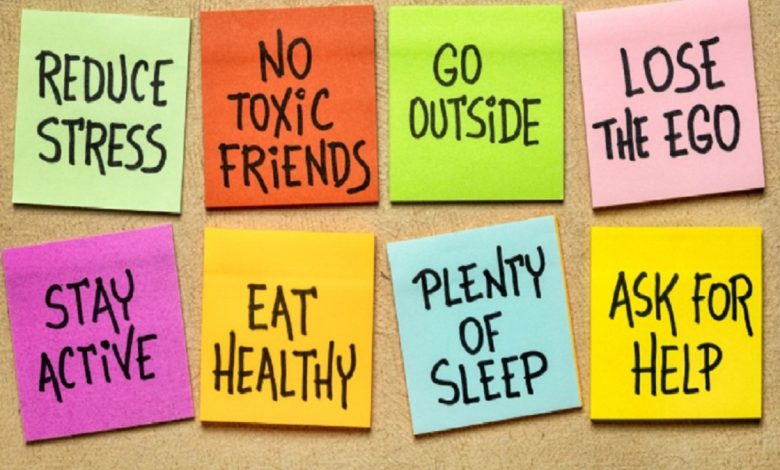
Sometimes, all it takes to sour our mood is dwelling on past toxic mistakes. We often find ourselves feeling as if nothing in life truly matters, longing for more excitement and fulfillment. It’s easy to compare our seemingly dull lives to the glamorous lifestyles of others, leading to feelings of dissatisfaction.
But have you ever wondered where your deserved happiness might be hiding? It might be time to look inward. The culprit could be your own toxic habits, silently eroding your well-being.
Happiness isn’t something that magically appears. It’s something we cultivate through conscious effort. To truly embrace joy, you must break free from toxic self-destructive behaviors and invite positivity into your life.
Understanding Toxic Habits
Toxic habits are self-sabotaging behaviors that become ingrained in our personality, often going unnoticed. These habits are our responses to various internal and external stimuli, and over time, they become difficult to change.
These harmful and toxic patterns interfere with your productivity and hinder you from reaching your full potential. They can lower your mood, making life seem more challenging than it needs to be.
The comfort of routine and ignorance often fuels these habits, making them hard to identify and even harder to break. However, once you become aware of these toxic behaviors, you can begin to make positive changes.
Procrastination: The Thief of Time
If you often find yourself delaying important tasks, you may be falling into the trap of procrastination. According to researcher Piers Steel, 95% of people procrastinate to some degree. While it’s comforting to know you’re not alone, it’s crucial to recognize how much procrastination can limit your potential.
Procrastination involves focusing on less important, yet more enjoyable tasks to avoid tackling what truly needs your attention. Over time, this habit can drain your motivation, cause you to miss opportunities, and lead to feelings of hopelessness and stress.
Chronic Tardiness: A Habit That Hurts Your Reputation
We’ve all been late at times, but when tardiness becomes a habit, it can seriously impact your life. Consistently showing up late sends a message about your attitude toward your commitments. It suggests a lack of respect for other people’s time and can make you appear careless and unprofessional.
Regularly being late not only harms your reputation but also creates a negative impression of you as someone who is self-centered and inconsiderate.
Jealousy: The Green-Eyed Monster
Jealousy is a toxic emotion rooted in low self-esteem and dissatisfaction with oneself. When envy takes hold, it can prevent you from progressing in life and finding true contentment.
Instead of focusing on your own growth, jealousy keeps you fixated on others’ successes, making it impossible to appreciate your achievements and improve yourself.
Negative Self-Talk: The Silent Saboteur
Negative self-talk can have a profound impact on your life. According to Psychology Today, even a brief exposure to negative stimuli can trigger stress responses in the brain. Now imagine the long-term effects of constantly telling yourself, “I can’t do this” or “I’m not good enough.”
Such thoughts create unnecessary stress, breed pessimism, and lead to a life filled with dissatisfaction. Replacing negative thoughts with positive affirmations like “I can,” “I am enough,” and “I am capable” can significantly boost your self-esteem and overall happiness.
Monopolizing Conversations: The Importance of Listening
Do you often find that you know little about the other person after a conversation? Talking excessively about yourself can be a common habit, but it turns a dialogue into a monologue.
Conversations are meant to be a two-way exchange of thoughts and ideas. By dominating the conversation, you miss out on learning from others and gaining new perspectives. It’s important to listen as much as you speak to create meaningful connections.
Jumping to Conclusions: A Barrier to Understanding
It’s easy to draw quick conclusions, but doing so often leads to misunderstandings. Hasty judgments based on incomplete information can prevent you from seeing the full picture.
In any interaction, it’s crucial to approach situations with an open mind and refrain from making snap judgments. By taking the time to analyze and understand, you can avoid biased and incorrect conclusions.
Comparing Yourself to Others: A Recipe for Unhappiness
Everyone’s journey is unique, and comparing your life to others only sets you up for disappointment. When you constantly measure yourself against others, you miss out on appreciating your own progress and achievements.
Instead of focusing on others, concentrate on your personal goals and growth. By doing so, you can live a life true to yourself, free from the toxic effects of comparison.


