
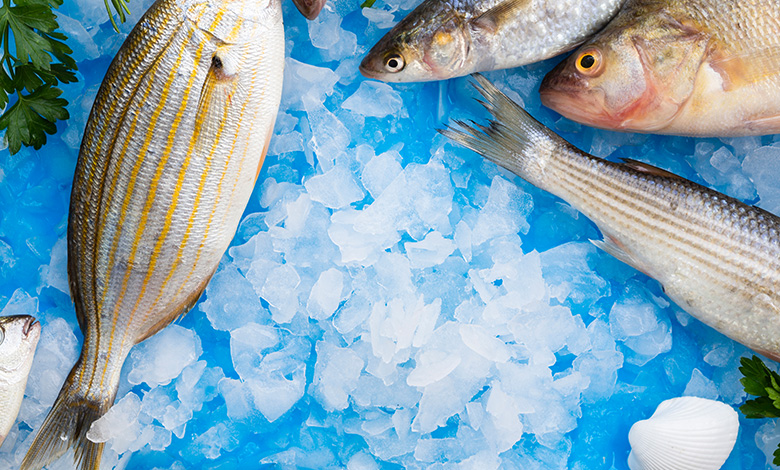
National Fish Farmers Day, celebrated annually on July 10th, is a significant event that recognizes the crucial role of fish farmers in the aquaculture industry. This day honors the dedication and hard work of fish farmers who contribute to food security, economic growth, and environmental sustainability. In 2024, National Fish Farmers Day offers an opportunity to highlight the advancements in aquaculture, acknowledge the challenges fish farmers face, and promote sustainable practices in the industry.
The Importance of Fish Farming
Fish farming, or aquaculture, is the practice of breeding and raising fish in controlled environments. It plays a vital role in meeting the global demand for seafood, providing a reliable source of protein and essential nutrients. As wild fish stocks face depletion due to overfishing and environmental changes, aquaculture has emerged as a sustainable solution to ensure food security for a growing global population.
Advancements in Aquaculture
The aquaculture industry has seen remarkable advancements over the past few decades. Innovations in breeding techniques, disease management, and feed formulation have significantly improved fish production and quality. Modern aquaculture practices include recirculating aquaculture systems (RAS), integrated multi-trophic aquaculture (IMTA), and genetic improvements to enhance growth rates and disease resistance.
Sustainable Aquaculture Practices

Sustainability is a critical focus in modern aquaculture. Sustainable practices aim to minimize environmental impact, ensure the welfare of farmed fish, and promote economic viability. Techniques such as polyculture, where multiple species are farmed together to utilize resources efficiently, and using probiotics and natural additives in fish feed to reduce reliance on antibiotics are gaining popularity. Additionally, efforts to develop and promote eco-friendly aquafeeds from alternative protein sources, such as insects and algae, are underway.
Despite the progress, fish farmers face numerous challenges that can hinder the growth of the aquaculture industry. Disease outbreaks, water quality management, and high production costs are significant concerns. Moreover, fish farmers often need help with market access and competition from imported seafood. Climate change poses an additional threat, affecting water temperatures and quality and impacting fish health and productivity.
The Role of Technology in Fish Farming
Technology plays a crucial role in addressing the challenges faced by fish farmers. Using digital tools and data analytics helps monitor water quality, optimize feeding, and manage fish health more effectively. Innovations such as automated feeding systems, underwater drones for monitoring, and blockchain for traceability are revolutionizing the aquaculture industry. These technologies enhance productivity and improve the sustainability and transparency of fish farming operations.
Success Stories in Fish Farming
Numerous success stories showcase aquaculture’s potential. For instance, Norway’s salmon farming industry is renowned for its advanced technologies and sustainable practices, making it one of the world’s leading producers of farmed salmon. In Africa, small-scale fish farmers in countries like Nigeria and Kenya use innovative methods to boost production and support local food security. These success stories highlight the transformative impact of fish farming on communities and economies.
Government and Institutional Support
Government policies and institutional support are critical for the growth and sustainability of the aquaculture industry. Subsidies, grants, and training programs help fish farmers adopt modern practices and improve productivity. Research institutions play a vital role in developing new technologies and providing extension services to farmers. Collaborative efforts between governments, research institutions, and private stakeholders are essential to address the challenges and drive the growth of the aquaculture sector.
The Future of Fish Farming

The future of fish farming looks promising, with continued advancements in technology and sustainable practices. As the global demand for seafood rises, aquaculture will play an increasingly important role in ensuring food security. Emphasizing sustainability, innovation, and collaboration will be vital to overcoming challenges and unlocking the full potential of fish farming. Education and awareness initiatives are also crucial to attract new talent to the industry and promote the benefits of aquaculture.
National Fish Farmers Day is an opportunity to celebrate and support the fish farming community. Individuals and organizations can participate by visiting local fish farms, attending aquaculture workshops and seminars, and sharing success stories on social media. Supporting local fish farmers by purchasing their products and advocating for sustainable seafood can also significantly impact them. Celebrating this day helps raise awareness about the importance of fish farming and honors the dedication of those who work tirelessly to provide healthy and sustainable seafood.
Conclusion
National Fish Farmers Day 2024 recognizes and celebrates the contributions of fish farmers to our food systems, economies, and environment. By promoting sustainable practices, embracing technological advancements, and supporting the fish farming community, we can ensure the continued growth and success of the aquaculture industry. As we honor the hardworking individuals who make fish farming possible, let us also commit to fostering a more sustainable and resilient future for aquaculture.


