
UAE Willing To Join International Force To Reopen Strait Of Hormuz
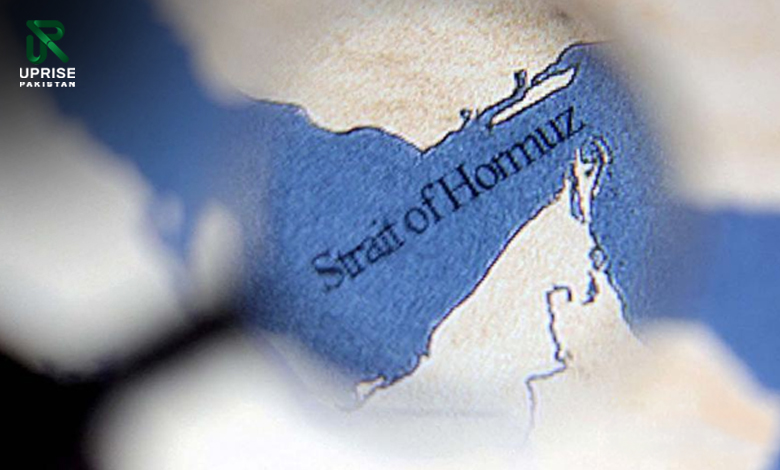
The Strait of Hormuz may feel far from the United States. Still, trouble there can raise prices at home. When ships slow down, oil supply can tighten fast. Then gas prices can rise, and costs can spread. Grocery delivery can cost more, and flights can get pricier. That is why this narrow sea lane matters.
On March 27, 2026, Reuters reported that the Financial Times said the United Arab Emirates may join an international force. The goal would be to help reopen the Strait of Hormuz and protect shipping. People across the world now watch what comes next.
What The UAE Reportedly Signaled
Reuters reported that the UAE is willing to join an international force to reopen the Strait of Hormuz. The same report said the Financial Times described the plan as a “Hormuz Security Force.” The aim would be to protect ships and restore normal traffic. Also, Reuters reported that France has approached many countries about a future mission. That matters because a broad group can share costs and risks. However, every country will want clear rules. Many will also want a legal basis they can defend at home. So, even with interest, the talks can move slowly.
Why The Strait Of Hormuz Matters To Your Daily Life
The Strait of Hormuz is one of the world’s most important oil chokepoints. The U.S. Energy Information Administration said about 21 million barrels per day moved through it in 2022. The same EIA material said that equals about 21% of global petroleum liquids use that year. Also, the International Energy Agency has said that about a quarter of global seaborne oil trade passes the Strait. Because of that, even a short disruption can shake markets. Then, prices can change before most people even see a headline. As a result, families can feel the impact at the pump. Over time, they can also see higher shipping and food costs.
| Fact | What trusted sources report | Why it matters |
| Oil flow scale | About 21 million barrels per day in 2022 (EIA) | A shutdown can quickly squeeze the supply |
| Share of global use | About 21% of global petroleum liquids were used in 2022 (EIA) | Price changes can spread fast |
| Seaborne oil trade | Around a quarter of the seaborne oil trade (IEA) | Tankers, insurers, and ports react quickly |
| Wider trade risk | UNCTAD has warned that disruptions raise risks for energy and fragile economies | Costs can rise for many imports |
What An International Maritime Task Force Could Do
A maritime task force can sound simple, yet the work is complex. In addition, it may set safe transit lanes and emergency plans. If mines are suspected, then demining teams may clear routes. Reuters reported that France discussed a mission with defensive goals. That kind of focus can lower fear among shipping firms. Still, a defensive mission can face risk if attacks continue. So, planners often build strict rules for when ships can respond.
What Recent Reporting Says About Passage And Risk
Reuters also reported that Iran said “non-hostile” ships could transit with coordination. However, the same report noted warnings about blocking other ships. This creates uncertainty for ship owners and crews. Even if a route is open in theory, fear can still stop traffic. Reuters reported that two Chinese container ships tried to leave the area. Then they turned back the same day. That detail shows how quickly conditions can change. So, insurers may raise rates, and captains may pause. As a result, fewer ships may move even without a full closure.
Why The UAE’s Role Could Matter
The UAE sits close to the Strait and depends on open sea trade. So, it has a strong reason to support safer Gulf shipping lanes. Also, the UAE has major ports and deep shipping links. That can help with logistics, support, and planning. At the same time, the UAE must balance regional ties and security needs. So, it may prefer a wide coalition, not a narrow one. Reuters reporting mentioned talk of a United Nations Security Council route. Yet that path can face political roadblocks. Still, even discussions can shape market expectations. When markets expect calmer seas, prices can cool. When they expect more risk, prices can rise.
- The Strait of Hormuz carries massive oil flows, so that disruptions can hit prices fast.
- Reports say the UAE may join an international force to reopen the route.
- France has contacted many countries about a defensive maritime mission.
- Ships may still turn back due to risk, even without a full blockade.
- Any reopening plan must cover escorts, clear rules, and possible mine threats.
Next Steps In The Strait
Reuters reporting suggests the UAE may join an international force to reopen the Strait of Hormuz. If more countries commit, then shipping may regain confidence sooner. If attacks continue, then fear may still slow traffic. Because the Strait carries such a large share of oil trade, the stakes remain high. That means decisions in the Gulf can affect prices far beyond the region. In the days ahead, watch for official statements, coalition details, and changes in ship movement.


