
Unemployment In Pakistan Hits 7.1% As New Labour Survey Is Released
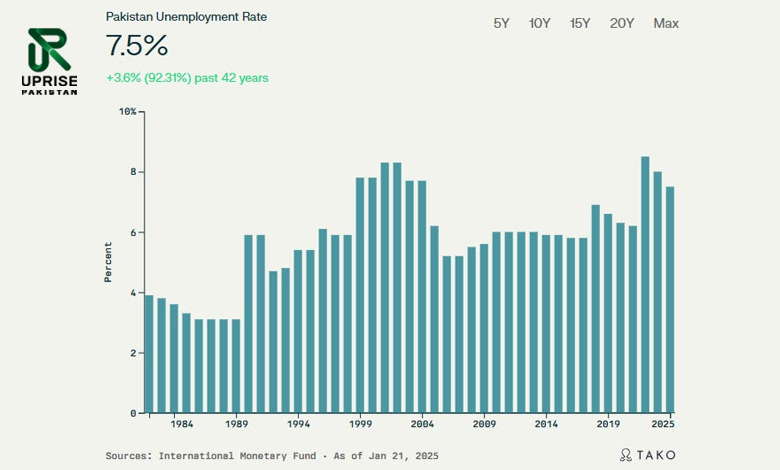
Pakistan’s job market just got a fresh reality check. A new Labour Force Survey (LFS) shows unemployment in Pakistan has reached 7.1%, up from 6.3% in 2020–21. At the same time, the data indicate that millions of people also found employment during the last four years. So, the picture is not all dark—but it is more complex. Let’s break down what changed, why it matters, and what it means for families, workers, and policymakers.
Background: What Changed & Why It Matters
Pakistan has revised its method for counting jobs. The latest Labour Force Survey uses new rules from the 19th International Conference of Labour Statisticians (ICLS), in line with International Labour Organization standards.
Under this new system:
- Only work done for pay or profit is treated as employment.
- People doing subsistence farming or unpaid family work are no longer automatically listed as “employed.”
As a result, many workers—especially rural women and unpaid helpers—have moved out of the “employed” column.
Because of this shift, the 7.1% unemployment rate may not mean the economy suddenly collapsed. Instead, it may provide a clearer and more accurate picture of the job market.
Therefore, when comparing this number with older surveys, care must be taken. The definition of “employment” has changed, and that changes the story.
Sectoral Breakdown & Employment Shifts
The new data also shows where people work in Pakistan’s economy. According to the latest survey:
Employment by Sector in Pakistan
| Sector | Share of Workforce | Key Note |
| Services | ~41–42% | Largest employer |
| Agriculture | ~33% | Share is shrinking |
| Industry | ~26% | Growing steadily |
Several big shifts stand out:
- Services now employ the biggest share of workers.
- Agriculture is losing ground as people move to cities and other jobs.
- Industry is growing but still trails services.
Most importantly, the informal sector remains substantial, with approximately 72.1% of workers operating outside the formal system. That means many people lack contracts, social protection, or a stable income.
Meanwhile, earlier surveys indicate that youth and women face higher unemployment rates than the national average, particularly young women in urban areas.
Why Unemployment Is Rising
The jump to around 7.1% unemployment in Pakistan has several reasons:
Contributing factors:
- A growing working-age population, meaning more people looking for jobs each year.
- The methodology change, which removed unpaid and subsistence work from the “employed” group.
- Economic headwinds, such as slow growth and inflation, limit new hiring.
However, there are also counter-signals:
- The government reports that around 10 million people found jobs each year over the past four years.
- Average monthly wages rose from about Rs 24,028 to about Rs 39,042.
So, while the headline unemployment rate is up, the deeper data shows both pressure and progress at the same time.
Regional & Demographic Variations
The labour market is not the same everywhere or for everyone.
According to the updated survey and earlier LFS data:
- The labour-force participation rate stands around 46.3% under the new rules.
- Youth unemployment (ages 15–24) is higher than the average, around 11.1% in earlier surveys.
- A large gender gap remains: men are far more likely to be in paid work than women. Rural and urban areas also exhibit distinct patterns, with rural workers being more closely tied to agriculture and informal work.
Due to these gaps, a single national number—7.1%—does not tell the full story. Policy needs to address where and for whom joblessness is worst.
Implications & What’s at Stake
A rising unemployment rate has real-world effects.
If joblessness stays high:
- Economic growth can slow down, as families cut spending.
- Social tension can rise, especially among young people who cannot find work.
- Human capital may go to waste as skills fade or workers migrate abroad.
At the same time, the new survey also opens a policy window. With better data and stricter definitions, leaders can design reforms that align with reality rather than relying on guesswork.
As one official message around the new LFS suggests, accurate data is the first step toward real labour-market reform.
What Should Policymakers Do?
In simple terms, policy needs to do two things: create better jobs and help people reach them.
Key steps could include:
- Investing in skills and vocational training, especially for youth and women.
- Encouraging formal jobs, so workers have contracts, benefits, and stability.
- Targeting youth unemployment with internships, apprenticeships, and first-job programs.
- Supporting women’s work by improving transport, safety, and childcare.
- Refining data systems further, so trends remain clear and comparable across years.
- Good policy can turn the new survey from a warning sign into a roadmap for action.
What Should Individuals & Families Know?
Workers and families also have choices to make.
Practical ideas include:
- Look toward growth sectors, such as services, tech, and some parts of industry.
- Be cautious about informal jobs that offer no protection or clear pay.
- Track wages versus inflation, since a higher paycheck does not always mean higher buying power.
- Stay aware of regional trends, as job conditions differ across provinces and cities.
With unemployment in Pakistan at about 7.1%, job seekers face tougher competition.
However, they can also use this information to make more informed choices about skills and careers.
The Road Ahead: Outlook & Forecasts
The labour story is still unfolding. The government is expected to publish the full Labour Force Survey report, which will provide more detailed information on regions and sectors.
If the economy grows and reforms kick in, job creation could outpace population growth in the coming years. In that case, the unemployment rate might peak and then decline.
However, if growth remains weak or global shocks recur, the job market could stay under stress. In short, the 7.1% figure is significant, but the direction of change over the next few years will matter even more.
Final Takeaways
Pakistan’s unemployment rate has climbed to 7.1% under a stricter, more modern labour definition. Much of this rise stems from changes in how work is counted, not just from lost jobs.
Still, the survey highlights real pressures: a large informal sector, high youth unemployment, and clear gender gaps. For policymakers, this is a call to action. For families and workers, it is a signal to stay informed, build skills, and watch where new opportunities appear.


