
War, Then Water: Pakistan’s Villagers Trapped Between Bullets And Floods
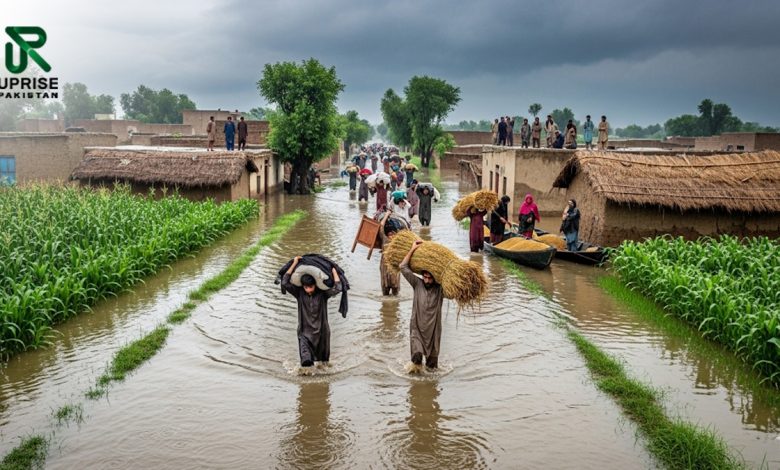
You’ve probably seen the headlines. Conflict. Floods. Disaster. But what happens when both strike the same place? In Pakistan, especially near the borders and river belts, rural villagers face two nightmares at once—war and water. First, bullets tear through their homes. Then, floods wash away what’s left.
Here’s the brutal truth: these communities have nowhere safe to run. Their lives are stuck in an endless cycle of rebuilding and running. You’ll learn where they’re most vulnerable, why help often comes late, and what long-term solutions might actually work. Let’s break it down.
Conflict Leaves Villages Weak, Even Before Floods Hit
In border zones, gunfire is common. Moreover, entire families live under constant fear. Bombings, militant raids, and military operations destroy homes. While cities get headlines, small villages suffer in silence.
Because of this, locals flee. They abandon farms, livestock, and schools. They become displaced. Sometimes for months. Sometimes for years.
Then, just as they return to rebuild, the rains come. Monsoons don’t wait for peace. They slam into weakened homes and washed-out roads.
And guess what? These villagers often don’t have strong roofs or flood barriers. They’ve already lost so much in the fighting.
When Water Arrives, There’s Nothing Left To Defend
After the war, water becomes the second enemy. And it doesn’t knock. It crashes. Floods in Pakistan are brutal, especially in areas near the Indus River, like Sindh, Balochistan, and parts of Khyber Pakhtunkhwa. The 2022 floods alone displaced over 33 million people. Now imagine going through that when your house already has effects of war.
Here’s what usually happens:
- Heavy rain and brutal floods isolate the village.
- Roads vanish under water.
- Livestock die or drift away.
- Finally, disease spreads due to standing water.
Because of previous damage from conflict, homes collapse faster. Food storage gets ruined quickly. And aid doesn’t arrive on time—again.
The Double Disaster Nobody Talks About
Now, here’s where it hurts most. These villagers face what experts call a “compound crisis.” One disaster makes the other worse.
Here are the painful realities:
- No Early Warning: Most villages have no internet or radio. They hear about floods when it’s already too late.
- No Reserves: War depletes food, money, and supplies. So, when floods come, they’re already empty-handed.
- No Medical Help: War zones lack hospitals. Floods then bring water-borne diseases like cholera and malaria.
- No Trust: After years of neglect, villagers don’t trust authorities. They often refuse evacuation until it’s too late.
- No Rest: Even when the floodwater goes down, rebuilding never truly begins. Conflict resets the clock.
This isn’t just a weather issue. It’s a human issue.
Who Helps? Often, No One
You might wonder—where’s the government? Where are the NGOs?
That’s a fair question.
Sometimes, they do help, especially during international relief campaigns. But more often than not, aid arrives slowly. And only in places with media coverage.
Border villages, tribal zones, and disputed territories get skipped. Why? Because they’re “dangerous.” Or “inaccessible.”
So, families rely on neighbors. Local religious groups. Or private donors—when available. But that’s not sustainable. They need clean water, medicine, shelter, and safe roads—every single year.
Conflict vs. Water Damage Comparison
Let’s compare the impact of war and floods side-by-side:
| Category | War Impact | Flood Impact |
| Shelter | Homes damaged by fire or shelling | Homes collapse due to weak structures |
| Livelihood | Farms abandoned, animals lost | Crops destroyed, livestock drowned |
| Health | Injuries from blasts, trauma | Diseases like diarrhea, dengue |
| Movement | Restricted by security zones | Roads blocked by water, landslides |
| Aid Access | Limited due to conflict | Delayed due to road damage |
What Happens to Kids Caught in the Middle?
Children in these areas suffer the most. Not just physically, but emotionally too. They lose their schools. Many are damaged or turned into military posts or shelters. Next, they face food shortages. Malnutrition rises. Also, they watch parents struggle. That creates stress and trauma. Some kids even stop speaking for a while. Others act out or withdraw.
In some areas, girls are pulled from school permanently. Floods force early marriages. Boys are sent to work or join groups for survival. So, these kids grow up too fast—with too little support.
Solutions? Yes—but They Must Be Local
Let’s be real. Outsiders don’t always understand local needs. That’s why real change must come from within.
Still, there are practical steps we can push for:
- Invest in Early Warning Systems: Use loudspeakers or SMS services in local languages.
- Build Climate-Resistant Housing: Stronger roofs and higher foundations save lives.
- Create Conflict-Safe Aid Routes: Let emergency supplies pass, even in war zones.
- Train Local Youth as First Responders: They know the terrain and can act fast.
- Fund Long-Term Recovery: One-time tents don’t solve multi-year problems.
Even small improvements can protect entire communities.
Trapped, Forgotten, But Not Hopeless
Yes, Pakistan’s villagers live between war and water. One breaks their homes. The other washes away what’s left. Still, they stay strong. They rebuild. They help each other. While aid might come late, and headlines may fade, their courage remains. If we want to help, we need to push for smart aid. Not just fast aid. Help that works in war zones. Help that lasts through monsoons.


