
Why Is Pakistan Suddenly Central To US-Iran Diplomacy?
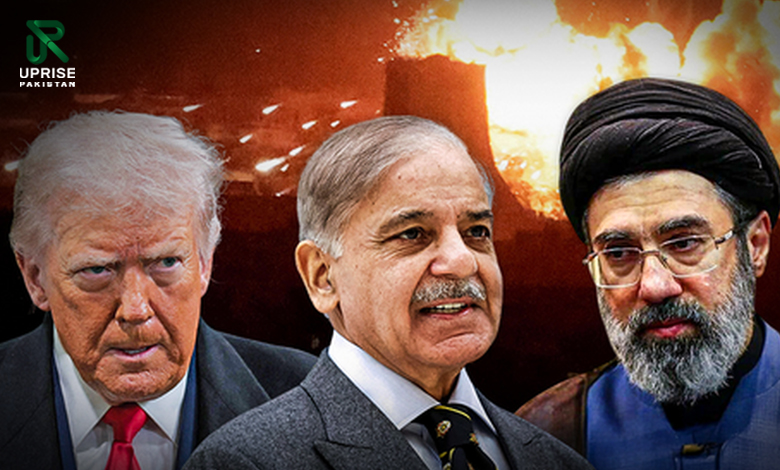
In late March 2026, Pakistan’s Prime Minister Shehbaz Sharif said Pakistan could help and even host talks. Iran’s speaker rejected talk reports and called them “fake news.” Meanwhile, the White House said it could not confirm a meeting in Islamabad. These mixed signals still matter because diplomacy often starts quietly.
A Crisis That Grew Too Fast To Ignore
This is not a slow political fight. Instead, it turned into a dangerous regional clash. Because of that, leaders now search for any path to calm. When conflict rises, trust falls. Then, direct talks get harder. So countries look for middle places and voices. Pakistan fits that role in several ways. Also, Pakistan cannot treat this as faraway news. It borders Iran, and borders shape choices.
Pakistan Sits At The Front Door
Maps often explain politics better than speeches. Pakistan shares a long border with Iran. So, trouble near Iran can spread into Pakistan quickly. Because of that, Pakistan has strong reasons to lower tensions. Also, border security gets harder when war rumors grow. Then, small events can trigger bigger fears. So, Pakistan may push for talks because it needs calm at home.
How Oil Tensions Raise Living Costs
Most families don’t track diplomacy every day. However, they do notice food and fuel costs. When conflict threatens oil routes, prices can jump. Then daily life gets harder fast. The Strait of Hormuz sits at the center of this fear. A large share of the world’s oil and LNG passes through it. So, even a shipping scare can shake markets. Pakistan feels these shocks quickly. Also, Pakistan imports much of its energy. So it wants stability, not surprises.
The Big Reason: Pakistan Can Talk To Both Sides
Pakistan keeps working ties with the United States. At the same time, Pakistan also maintains ties with Iran. So, it can pass messages when others cannot. In many crises, back-channels matter most. Countries trade small messages. Because Pakistan sits between the camps, it can help with those first steps. Also, it can offer a place that feels less crowded than some Gulf capitals.
Why Islamabad Gets Picked Up On The Phone
Diplomacy runs on access. If leaders can call, they can calm. If they can’t, anger grows. Reports also linked Pakistan’s army chief, Asim Munir, to direct contact with President Donald Trump. That kind of connection can speed up message delivery. It can also reduce misunderstandings. Still, access does not guarantee results. Yet it can keep doors open when others slam shut. When talks collapse, war options rise. So any offer of a neutral table draws attention. Also, a host can shape the pace and tone.
Here’s what Pakistan can realistically provide right now:
- A quiet venue for the Islamabad peace talks
- Fast “message carrying” for US-Iran talks
- A lower-profile channel that reduces public pressure
- A shared interest in calmer borders and safer shipping
Even so, Iran has denied some talk claims. Meanwhile, US officials have not confirmed key details. Yet diplomacy can still move behind closed doors.
Pakistan And Iran Have Been Here Before
This is not Pakistan’s first Iran-linked crisis. In January 2024, Iran and Pakistan traded strikes across the border. Then both sides stepped back and cooled tensions. That recent history matters. It shows both sides can de-escalate fast. Also, it suggests that some working channels already exist.
So, Pakistan may believe it can prevent a wider fire again.
| Factor | What it means in plain English |
| Pakistan borders Iran | A nearby crisis can spill over fast |
| Hormuz risk affects oil and LNG | Energy fear spreads worldwide |
| Pakistan has links with Washington and Tehran | It can carry messages both ways |
| Pakistan offered to host talks | It put Islamabad in the spotlight |
| Iran denied some talk claims | The back-channel may still exist |
Mediation Can Burn The Mediator
Being a mediator sounds noble. Yet it can be dangerous. If Pakistan hosts, it may upset one side. Also, if a deal fails, Pakistan may get blamed. Then trust can drop with both sides. Plus, the US and Iran still disagree on core issues. So even a small step takes careful timing. Still, in a fast crisis, “small steps” can save lives.
Why Pakistan Matters Right Now
Pakistan matters because it sits close, feels the costs, and has working contacts. Also, it offered a path when options looked limited. That combination pulls Islamabad into the center of US–Iran diplomacy.
Even if no meeting happens in Pakistan, its role can still shape events. It can pass messages, reduce confusion, and slow risky moves. And if the conflict cools, Pakistan may get some credit for opening the door.


