
Winter Warmers: India’s Comfort Foods For The Cold Season

When the mercury dips, kitchens across India come alive with aromas that are uniquely tied to winter. Unlike summer’s light fare, winter foods are hearty, rich, and often rooted in Ayurveda’s wisdom of balancing the body’s internal heat. What makes Indian winter cuisine fascinating is its diversity; every region has its own “warmers,” crafted from local grains, spices, and seasonal produce. (Image: AI-generated)
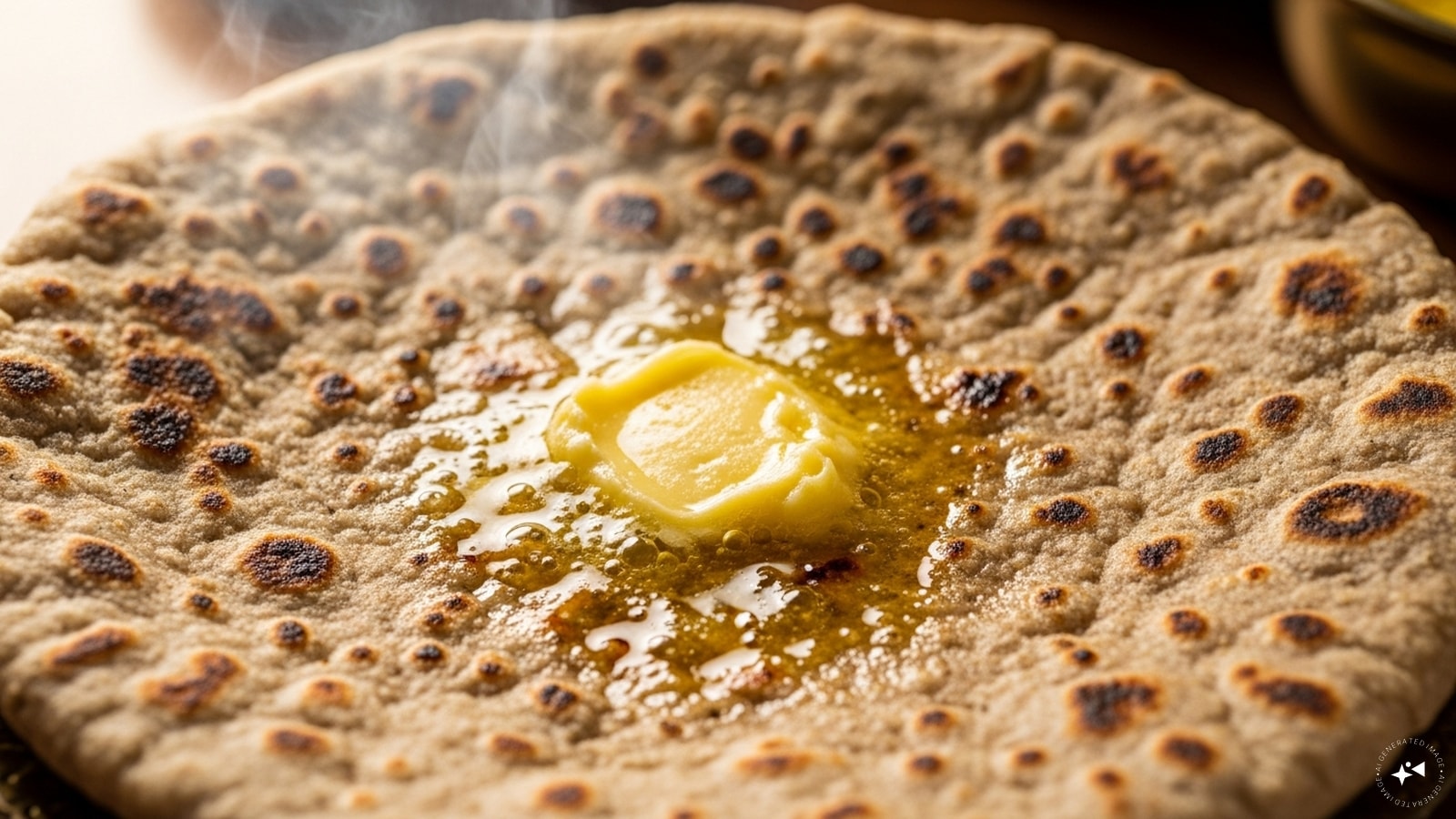
Millets and Rotis: One of the most iconic winter staples is bajra roti, often paired with a dollop of white butter or ghee. Bajra (pearl millet) is considered a warming grain in Ayurveda, helping maintain body temperature and providing sustained energy. In the hills of Uttarakhand and Himachal, mandua roti (made from finger millet) is equally popular, while in Maharashtra, bajra bhakri with loni (homemade butter) is a rustic winter favourite. (Image: AI-generated)
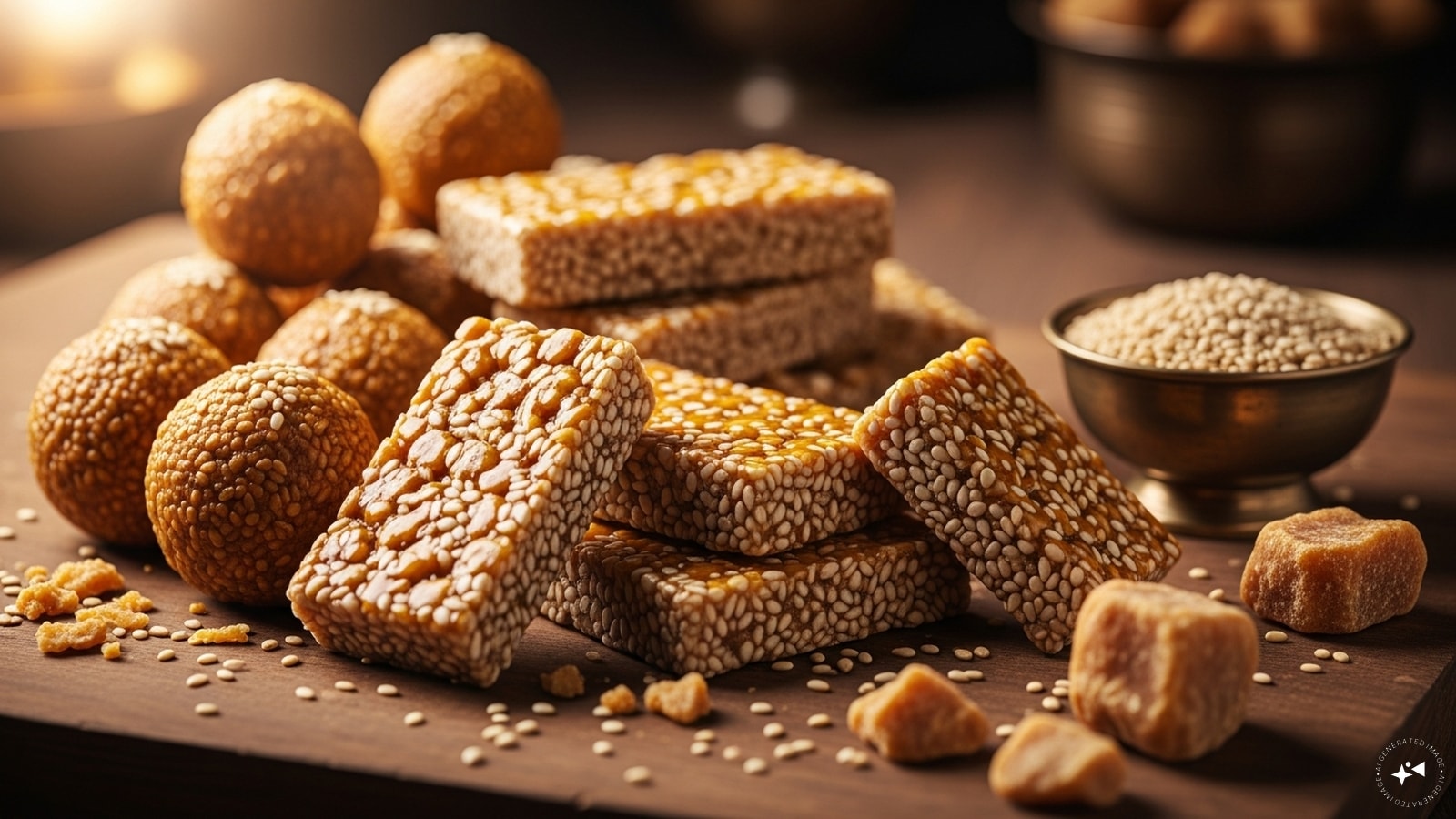
Spices and Seeds: Indian households rely on warming spices to fight the chill. Ajwain (carom seeds), ginger, and black pepper are staples in winter cooking, aiding digestion and circulation. Sesame seeds, used in til ladoos or til chikkis, are another winter essential, believed to generate internal heat. These foods are not just tasty but deeply functional, reflecting India’s age‑old food wisdom. (Image: AI-generated)
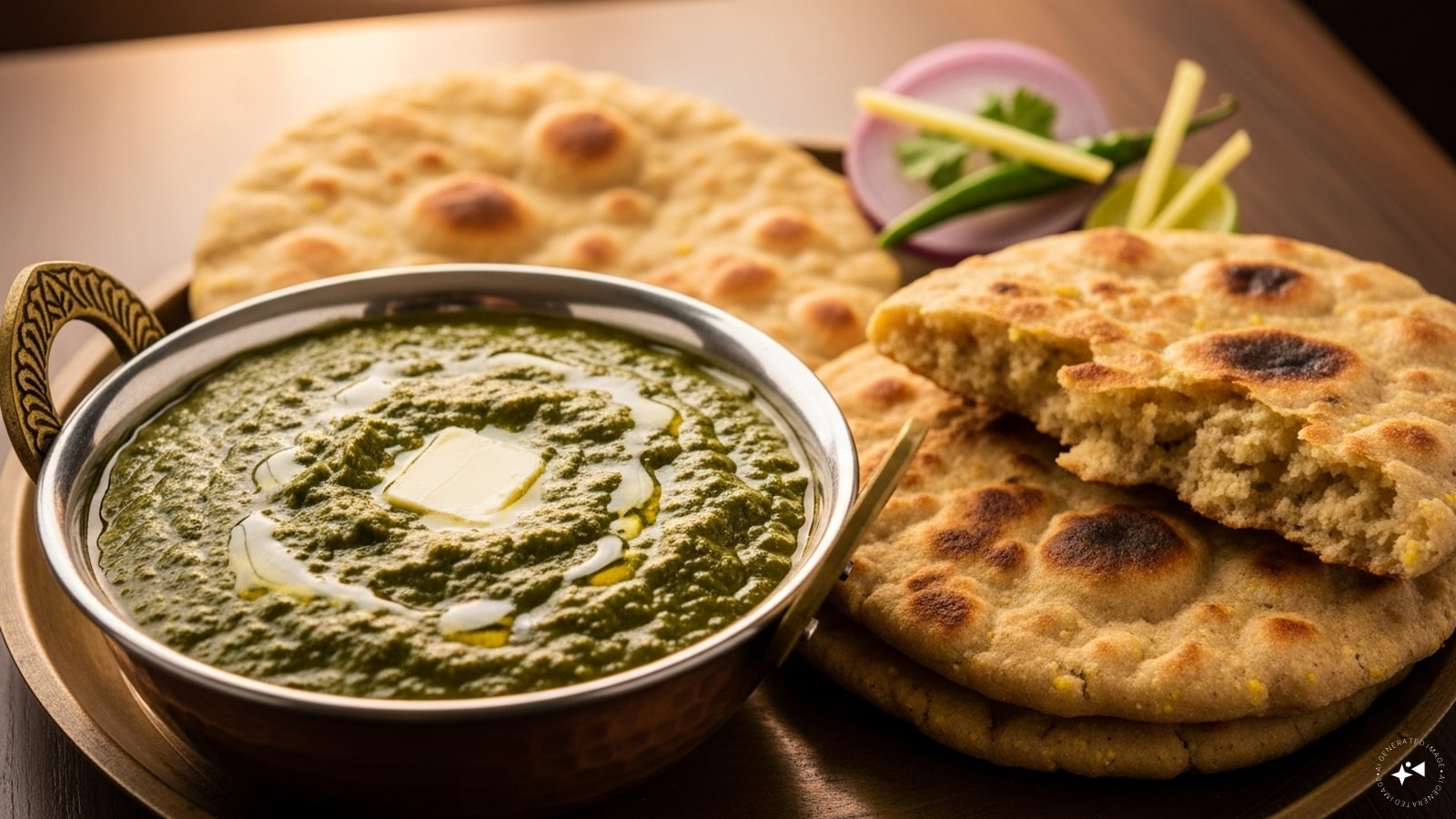
Hearty Curries and Dals: Winter is the season for richer dals and curries. Moong dal, cooked with ghee and spices, is considered warming and easy to digest. In Punjab, sarson ka saag with makki ki roti dominates the season, while in Bengal, mustard‑based fish curries provide warmth and flavour. Across India, pulses and legumes are cooked with generous amounts of ghee, butter, or cream, making them both nourishing and comforting. (Image: AI-generated)
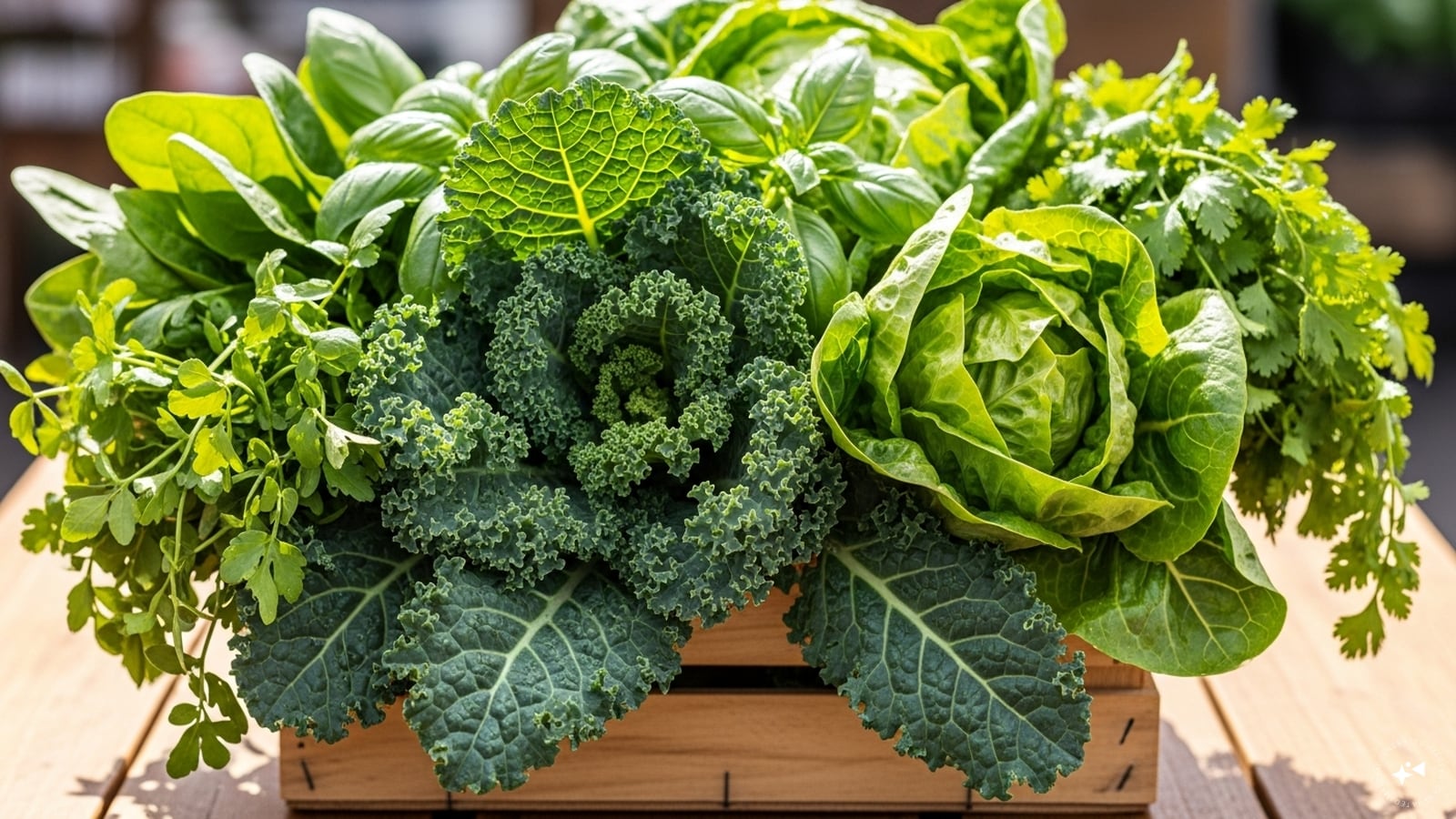
Seasonal Greens: Winter also brings a bounty of leafy vegetables. Cholai (amaranth), spinach, and fenugreek (methi) are widely consumed, often turned into parathas, curries, or stir‑fries. These greens are not only warming but also boost immunity, making them essential in combating seasonal lethargy and colds. (Image: AI-generated)
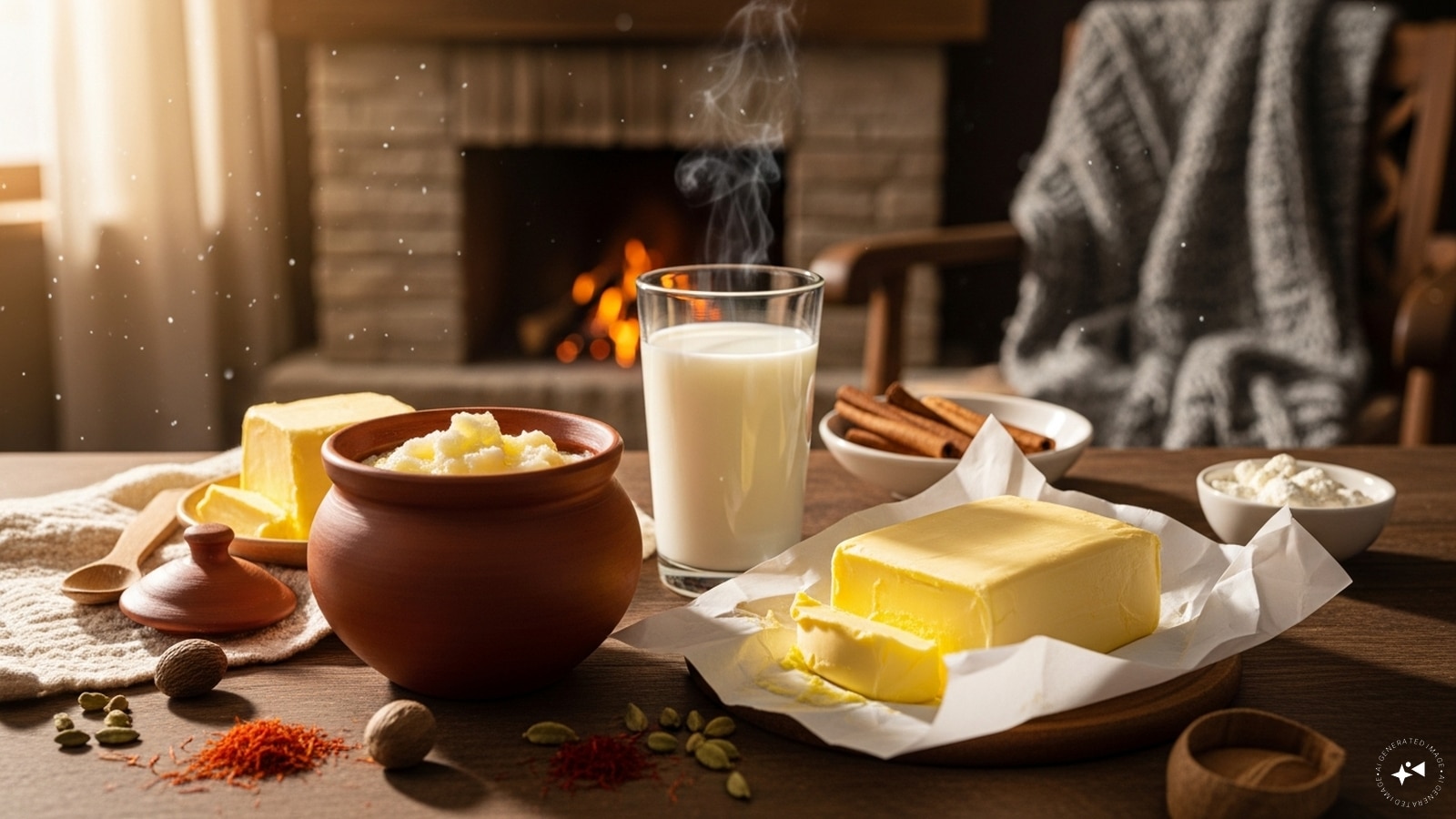
Dairy Delights: Milk, ghee, and butter play starring roles in winter diets. From halwas to rotis, dairy enriches dishes with healthy fats that help the body retain warmth. In Punjab and Haryana, a glass of hot milk with turmeric or almonds is a nightly ritual, while in Gujarat, ghee is generously poured over khichdi or rotis. (Image: AI-generated)
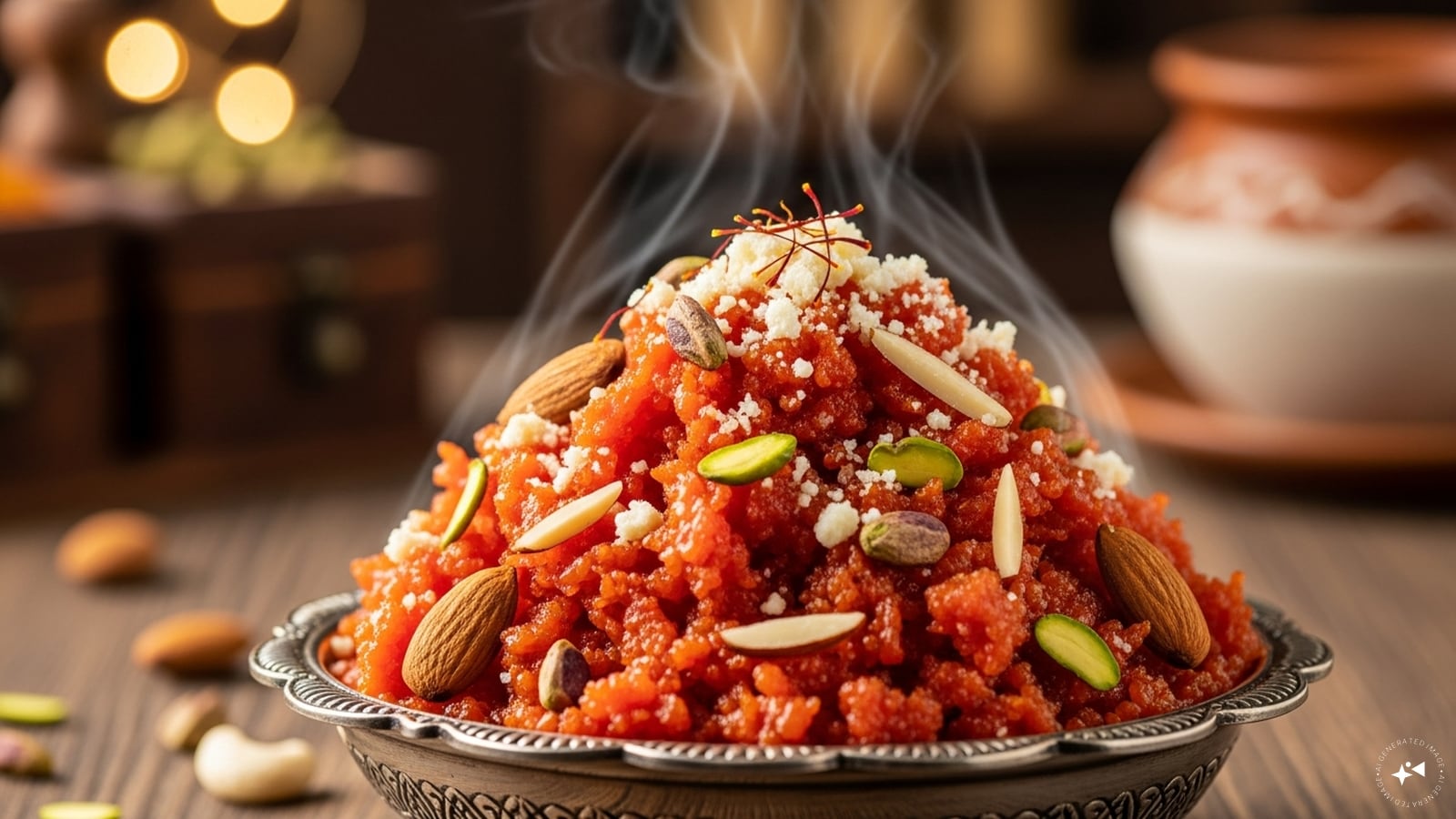
Sweets That Strengthen: Winter is incomplete without indulgent sweets that double up as energy boosters. Gajar ka halwa, slow‑cooked with milk, ghee, and nuts, is perhaps the most celebrated winter dessert across North India. Equally beloved are gond ke ladoo, made with edible gum, jaggery, and dry fruits, traditionally given to new mothers for strength and recovery. In Gujarat and Rajasthan, dry fruit chikki made with peanuts or mixed nuts and jaggery is a crunchy treat that keeps the body warm. (Image: AI-generated)
Source link


