
Womens Equality Day 2024
Celebrating the Progress and Continuing the Fight for Gender Equality
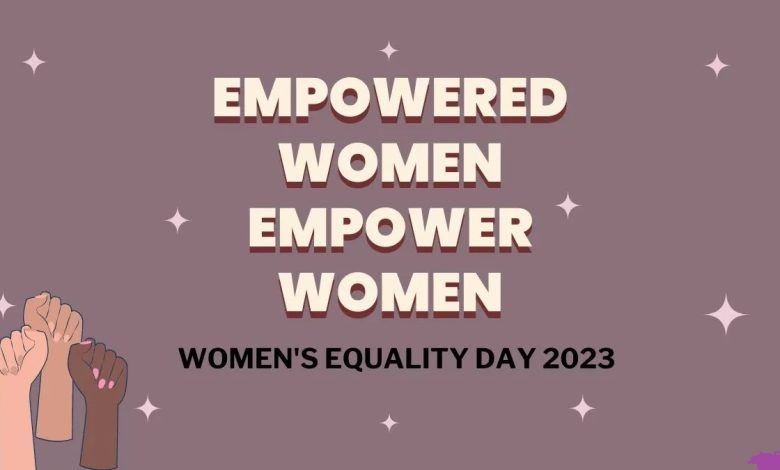
Womens Equality Day, observed annually on August 26th, is a significant milestone in the ongoing struggle for gender equality. This day commemorates the certification of the 19th Amendment to the United States Constitution in 1920, granting women the right to vote. Womens Equality Day serves as a reminder of the long and arduous journey toward gender equality and the continued need to advocate for womens rights in all spheres of life. As we celebrate Womens Equality Day 2024, we reflect on the progress made, acknowledge the challenges that remain, and commit to advancing the cause of gender equality.
The Historical Significance of Womens Equality Day
Womens Equality Day was established in 1971 by Congress at the behest of Bella Abzug, a trailblazing congresswoman and activist, to honor the anniversary of the 19th Amendment. The amendment marked a significant victory for the womens suffrage movement, which had been fighting for womens right to vote for decades. The passage of the 19th Amendment was a monumental step forward in the quest for gender equality, as it empowered women to participate fully in the democratic process.
However, it is essential to recognize that the fight for womens rights did not end with the 19th Amendment. While it granted many women the right to vote, women of color, particularly African American, Native American, and Asian American women, continued to face significant barriers to voting due to discriminatory practices such as poll taxes, literacy tests, and outright intimidation. It was not until the passage of the Voting Rights Act of 1965 that these discriminatory practices were effectively challenged, allowing more women to exercise their right to vote.
Womens Equality Day reminds us of the tireless efforts of suffragists and activists who fought for the right to vote and the broader struggle for gender equality that continues today.
Progress Made Toward Gender Equality
Since the passage of the 19th Amendment, women have made tremendous strides in various fields, breaking barriers and challenging traditional gender roles. Today, women are leaders in politics, business, science, education, and many other areas. The achievements of women such as Kamala Harris, the first female Vice President of the United States, and trailblazers like Ruth Bader Ginsburg, Malala Yousafzai, and Sheryl Sandberg, serve as powerful examples of how far women have come.
In addition to these individual achievements, significant progress has been made in the legal and social arenas. Laws such as the Equal Pay Act of 1963, the Civil Rights Act of 1964, and Title IX of the Education Amendments of 1972 have been instrumental in advancing womens rights. These laws have helped to ensure that women have equal opportunities in the workplace, in education, and in all areas of public life.
Social movements, such as the Womens Liberation Movement, the #MeToo movement, and ongoing efforts to address issues like reproductive rights and gender-based violence, have also played a critical role in advancing gender equality. These movements have brought attention to the systemic inequalities that women face and have pushed for meaningful change at both the societal and institutional levels.
Challenges that Remain
Despite the significant progress made, there are still many challenges to achieving full gender equality. Women continue to face disparities in areas such as pay, representation in leadership positions, and access to healthcare. The gender pay gap remains a persistent issue, with women, on average, earning less than men for the same work. This gap is even wider for women of color, who face both gender and racial discrimination in the workplace.
In addition to economic disparities, women continue to be underrepresented in positions of power and leadership. While there has been progress in increasing the number of women in political and corporate leadership roles, women still hold a disproportionately small percentage of these positions. This lack of representation has significant implications for policy decisions and the overall advancement of gender equality.
Another pressing challenge is the issue of gender-based violence. Women around the world continue to face high levels of violence, including domestic abuse, sexual harassment, and human trafficking. These forms of violence not only violate womens rights but also hinder their ability to participate fully in society. Addressing gender-based violence is essential to creating a world where women can live free from fear and oppression.
The Importance of Continued Advocacy
Womens Equality Day is not just a celebration of past achievements but also a call to action for continued advocacy. The fight for gender equality is ongoing, and it requires the collective efforts of individuals, communities, and institutions to create lasting change.
One of the key areas of focus must be on closing the gender pay gap. This requires both legislative action and changes in workplace practices. Employers must commit to pay equity, transparency, and the implementation of policies that support work-life balance, such as paid family leave and affordable childcare.
Another critical area is increasing womens representation in leadership positions. This can be achieved through initiatives such as mentorship programs, leadership development opportunities, and the creation of more inclusive workplace cultures that value diversity and equity.
Addressing gender-based violence is also a priority. This includes not only providing support for survivors but also challenging the societal norms and attitudes that perpetuate violence against women. Education and awareness campaigns, along with stronger legal protections, are essential components of this effort.
The Role of Men in Achieving Gender Equality
While Womens Equality Day primarily focuses on the achievements and struggles of women, it is important to recognize that gender equality is not just a womens issue—it is a human issue. Men have a crucial role to play in the fight for gender equality, and their active involvement is necessary for creating a more equitable society.
Men can support gender equality by challenging traditional gender roles, advocating for equal opportunities for women, and standing against gender-based violence. By being allies in the fight for equality, men can help to create a world where both women and men can thrive.
Conclusion
Womens Equality Day 2024 is an opportunity to celebrate the progress made toward gender equality while acknowledging the work that still needs to be done. As we commemorate the achievements of the past, we must also look to the future and commit to continuing the fight for a world where all women have the opportunity to succeed, free from discrimination and violence. By working together, we can create a more just and equitable society for everyone.


