
World Humanitarian Day 2024: Honoring the Unsung Heroes of Humanity
Celebrating Courage, Compassion, and Commitment in Crisis
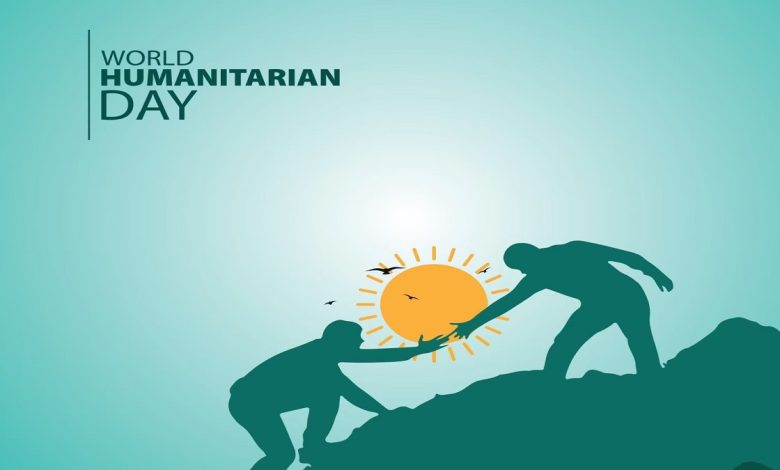
World Humanitarian Day, observed annually on August 19th, is a day dedicated to honoring humanitarian workers who risk their lives to help others in need. It is a time to recognize the bravery, selflessness, and unwavering commitment of those who work tirelessly to provide life-saving aid and support to people affected by crises around the world. As we approach World Humanitarian Day 2024, we reflect on the importance of humanitarian work, the challenges faced by aid workers, and how we can all contribute to making a difference in the lives of those who need it most.
The Origins and Significance of World Humanitarian Day
World Humanitarian Day was established by the United Nations General Assembly in 2008, in memory of the 22 humanitarian workers who lost their lives in the bombing of the UN headquarters in Baghdad, Iraq, on August 19, 2003. This tragic event highlighted the dangers faced by humanitarian workers and the need for greater recognition and protection of those who work in some of the most dangerous environments in the world.
Since its inception, World Humanitarian Day has served as an opportunity to raise awareness about the humanitarian needs around the globe and to celebrate the efforts of those who dedicate their lives to helping others. It is a day to honor the memory of those who have lost their lives in the line of duty and to reaffirm our commitment to supporting humanitarian causes.
The theme for World Humanitarian Day changes each year, focusing on different aspects of humanitarian work. In 2024, the theme emphasizes the importance of solidarity and global cooperation in addressing the growing challenges faced by vulnerable populations. The day also aims to encourage governments, organizations, and individuals to take action to support humanitarian efforts and to advocate for the protection of aid workers.
The Role of Humanitarian Workers in Crisis Response
Humanitarian workers on World Humanitarian Day play a crucial role in crisis response, providing life-saving assistance to those affected by conflicts, natural disasters, pandemics, and other emergencies. They work on the frontlines, often in extremely challenging and dangerous conditions, to deliver essential services such as food, water, shelter, healthcare, and education.
The work of humanitarian workers on World Humanitarian Day beyond immediate relief efforts; they also contribute to long-term recovery and development. They help rebuild communities, restore livelihoods, and promote resilience in the face of future crises. Humanitarian workers often collaborate with local communities, governments, and international organizations to ensure that aid reaches those who need it most.
One of the most important aspects of humanitarian work on World Humanitarian Day is the principle of neutrality and impartiality. Humanitarian workers provide assistance based on need, without discrimination, and without taking sides in conflicts. This commitment to neutrality is essential for gaining access to vulnerable populations and for ensuring the safety of aid workers.
Challenges Faced by Humanitarian Workers
While humanitarian work is vital, it is also fraught with challenges. Humanitarian workers often operate in conflict zones, areas affected by natural disasters, and regions with limited infrastructure. These environments pose significant risks to their safety and well-being.
One of the most pressing challenges is the increasing danger faced by humanitarian workers. Attacks on aid workers have been on the rise, with many targeted for their work. In addition to physical threats, humanitarian workers face psychological challenges, such as trauma and burnout, due to the intense and often distressing nature of their work.
Access to affected populations is another major challenge. In many crisis situations, humanitarian workers face difficulties in reaching those in need due to security concerns, logistical constraints, or political barriers. The COVID-19 pandemic further complicated humanitarian operations, as travel restrictions and health risks limited the ability of aid workers to deliver assistance.
Funding shortages also pose a significant challenge for humanitarian organizations. The growing scale and complexity of global crises have increased the demand for humanitarian aid, but resources have not kept pace. Many humanitarian organizations struggle to secure the funding needed to sustain their operations and to respond effectively to emerging crises.
The Impact of Humanitarian Work
Despite the challenges, the impact of humanitarian work is profound. Humanitarian efforts save lives, alleviate suffering, and restore hope to millions of people around the world. The work of humanitarian organizations has been instrumental in responding to some of the most devastating crises in recent history, including the Syrian conflict, the Ebola outbreak in West Africa, and the ongoing humanitarian crisis in Yemen.
Humanitarian work on World Humanitarian Day not only provides immediate relief but also contributes to long-term peace and stability. By addressing the root causes of crises and supporting recovery and development, humanitarian efforts help build stronger, more resilient communities. This work is essential for creating the conditions for sustainable development and for preventing future conflicts.
Moreover, humanitarian work promotes global solidarity and cooperation. It reminds us of our shared humanity and the importance of standing together in the face of adversity. In a world where divisions and conflicts often dominate the headlines, humanitarian work serves as a beacon of hope and a testament to the power of compassion and empathy.
How to Support Humanitarian Efforts on World Humanitarian Day 2024
World Humanitarian Day 2024 is an opportunity for everyone to show their support for humanitarian efforts and to take action to make a difference. There are many ways to get involved, whether through raising awareness, donating to humanitarian organizations, or volunteering your time and skills.
One of the simplest ways to support humanitarian efforts on World Humanitarian Day is by raising awareness about the challenges faced by vulnerable populations and the importance of humanitarian work. Share information about World Humanitarian Day on social media, use the hashtags associated with the day, and encourage others to learn more about humanitarian issues.
Donating to humanitarian organizations is another powerful way to make a difference. Many organizations rely on donations to fund their operations and to provide life-saving assistance to those in need. Whether it’s a one-time donation or a recurring contribution, every bit helps.
Volunteering is another way to support humanitarian efforts. Many organizations rely on volunteers to carry out their missions, both in the field and in support roles. If you have skills that could be valuable to a humanitarian organization, consider offering your time and expertise.
Finally, advocating for the protection and support of humanitarian workers is crucial. Call on governments and international organizations to take action to ensure the safety of humanitarian workers and to provide the necessary resources to support their work. By raising your voice, you can help create a safer and more supportive environment for those who dedicate their lives to helping others.
The Future of Humanitarian Work
As we look to the future, the need for humanitarian work is likely to continue growing. Climate change, ongoing conflicts, and global health challenges are expected to drive new and more complex crises. Humanitarian organizations will need to adapt to these challenges, finding innovative ways to deliver aid and to support affected communities.
The use of technology is one area where humanitarian work is evolving. From drones delivering aid to remote areas to data analytics helping to predict and respond to crises, technology is playing an increasingly important role in humanitarian operations. The future of humanitarian work will likely involve greater integration of technology, allowing for more efficient and effective responses.
Collaboration and partnerships will also be key to the future of humanitarian work. No single organization can address the scale of global challenges alone. By working together, governments, NGOs, the private sector, and local communities can create more comprehensive and sustainable solutions.
Conclusion
World Humanitarian Day 2024 is a time to honor the incredible courage, compassion, and commitment of humanitarian workers around the world. It is a day to remember those who have lost their lives in the line of duty, to celebrate the impact of humanitarian work, and to renew our commitment to supporting those in need. As we face an increasingly complex and interconnected world, the values of solidarity, empathy, and global cooperation that underpin humanitarian work are more important than ever. Let us all take this opportunity to support humanitarian efforts and to contribute to a more just and compassionate world.


