
Medical Community Embraces Yoga for Anxiety Treatment
Harnessing Yoga's Healing Power for Anxiety
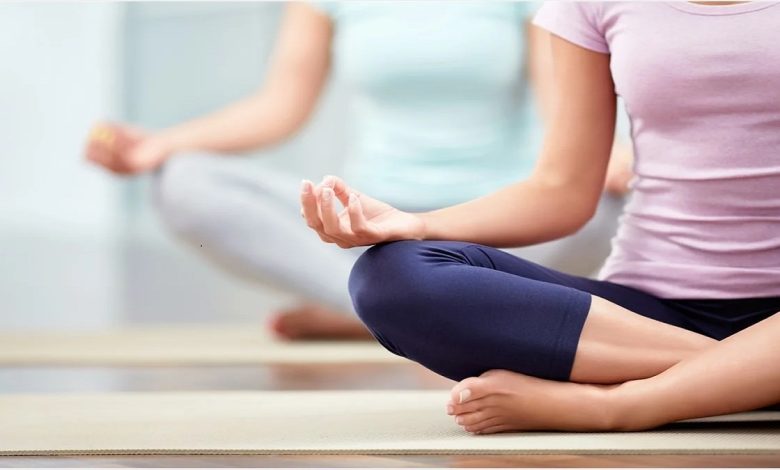
Anxiety disorders have become a significant concern in today’s fast-paced world, affecting millions globally. As the search for effective treatments continues, this exercise has emerged as a promising alternative, gaining substantial recognition within the medical community. This ancient practice, known for its holistic approach to wellness, is increasingly being acknowledged for its therapeutic benefits in managing anxiety.
The Ancient Roots of Yoga
Yoga, with its origins tracing back over 5,000 years in India, is a discipline that encompasses physical postures (asanas), breathing techniques (pranayama), and meditation (dhyana). Traditionally, yoga aims to harmonize the mind, body, and spirit, promoting overall well-being. Its therapeutic potential, especially in the realm of mental health, has sparked interest among researchers and healthcare professionals.
Scientific Evidence Supporting Yoga for Anxiety

A growing body of scientific research underscores the efficacy of yoga in alleviating symptoms of anxiety. Studies indicate that its regular practice can reduce the levels of cortisol, the body’s primary stress hormone. The reduction in cortisol helps mitigate the physiological symptoms of anxiety, such as rapid heartbeat, shallow breathing, and muscle tension.
Moreover, yoga’s emphasis on mindfulness and deep breathing fosters a state of relaxation and mental clarity. Techniques like pranayama enhance lung capacity and oxygenate the blood, which in turn calms the nervous system. Meditation practices incorporated in it encourage present-moment awareness, reducing rumination and anxious thoughts.
Integrative Approaches in Medical Settings
Healthcare providers are increasingly integrating yoga into treatment plans for anxiety. Psychiatrists and psychologists often recommend it as a complementary therapy alongside conventional treatments such as cognitive-behavioral therapy (CBT) and medication. This integrative approach addresses both the physical and psychological aspects of anxiety, offering a comprehensive treatment strategy.
This therapy sessions, tailored to individual needs, are being offered in hospitals, mental health clinics, and wellness centers. These sessions typically combine gentle asanas, breathing exercises, and guided meditation, providing patients with practical tools to manage their anxiety.
Personal Stories of Transformation
Many individuals have shared their transformative experiences with yoga in managing anxiety. For instance, Sarah, a 32-year-old marketing executive, struggled with chronic anxiety and panic attacks. After incorporating yoga into her daily routine, she noticed a significant improvement in her mental health. “Yoga taught me how to breathe through my anxiety and find calmness within chaos,” she says.
Similarly, James, a college student dealing with exam stress and social anxiety, found solace in it. “Practicing it helped me build resilience and stay grounded during challenging times,” he shares. These personal stories highlight the profound impact of yoga on individuals’ lives, offering hope to those seeking alternative anxiety treatments.
Future Directions and Continued Research
As the medical community continues to explore its therapeutic potential, ongoing research aims to understand its mechanisms and long-term benefits fully. Future studies will likely focus on specific styles, optimal practice durations, and its effectiveness in different populations.
Additionally, advancements in technology, such as mobile apps and online platforms, are making yoga more accessible to a broader audience. Virtual yoga classes and guided sessions provide individuals with convenient options to incorporate yoga into their daily lives, regardless of their location or schedule.
Conclusion
Its growing recognition as a treatment for anxiety marks a significant shift towards holistic and integrative approaches in healthcare. By addressing the mind-body connection, it offers a natural and empowering way to manage anxiety and enhance overall well-being. As research continues to validate its benefits, it stands poised to become a cornerstone in the treatment of anxiety disorders, fostering a healthier and more balanced society.


