Hazuri Bagh: A Regal Garden Bridging Lahore’s Iconic Landmarks
Step into the grandeur of Hazuri Bagh, a historic garden nestled between Lahore Fort and Badshahi Mosque, showcasing the elegance of Ranjit Singh’s Baradari
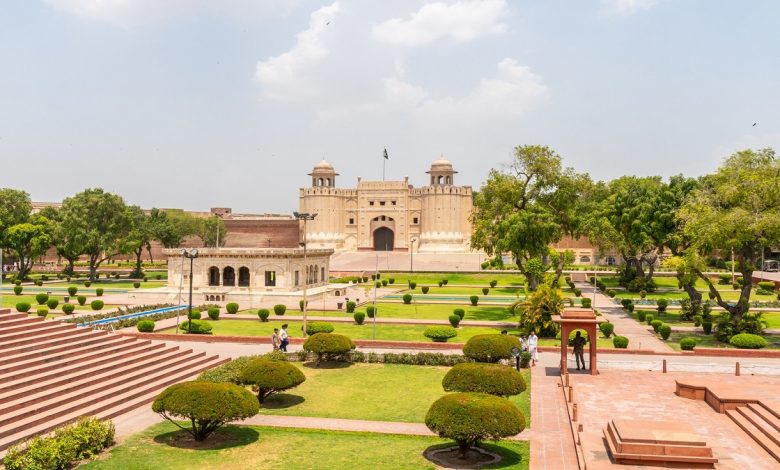
Introduction to Hazuri Bagh
Hazuri Bagh is a remarkable historic garden located in the heart of Lahore, flanked by two of the city’s most iconic landmarks: Lahore Fort and the Badshahi Mosque. This lush green oasis is not just a serene retreat but also a symbol of architectural and historical splendor, highlighted by the Hazuri Bagh Baradari, a white marble pavilion built by Maharaja Ranjit Singh in 1818. The garden serves as a testament to Lahore’s rich cultural heritage and its legacy as a center of art and architecture.
The Creation of Hazuri Bagh
Hazuri Bagh was established during the rule of Maharaja Ranjit Singh, the founder of the Sikh Empire. The garden was designed to create a space of leisure and royal gatherings, providing a tranquil environment amidst the grandeur of the surrounding Mughal architecture. Ranjit Singh commissioned the Hazuri Bagh Baradari as the centerpiece of the garden, showcasing his appreciation for artistry and his desire to blend Sikh and Mughal influences.
Hazuri Bagh Baradari: A Jewel of Architecture
The Hazuri Bagh Baradari is an exquisite pavilion made from finely carved white marble. Originally a two-story structure, the baradari was reduced to a single level after damage caused by an earthquake. Despite this, its intricate details and symmetrical design continue to captivate visitors. The pavilion is adorned with delicately carved floral patterns, latticework, and arches, reflecting the fusion of Mughal and Sikh architectural styles.
The baradari was primarily used for royal ceremonies, gatherings, and as a space for Ranjit Singh to hold court. It stands as a testament to his vision of merging art and functionality in architecture.
Strategic Location Between Iconic Monuments
Its location between the Lahore Fort and Badshahi Mosque enhances its significance. The proximity to these landmarks creates a harmonious blend of Mughal and Sikh history, making the garden a pivotal part of Lahore’s architectural landscape. Visitors often marvel at the seamless transition from the majestic fort to the serene garden and the imposing mosque, appreciating the historical continuity that Hazuri Bagh embodies.
Cultural and Historical Significance
Hazuri Bagh is more than just a garden; it is a historical narrative that connects two powerful eras of Lahore’s history. The site is a reflection of the city’s multicultural heritage, representing the artistic and cultural contributions of both the Mughal and Sikh empires. The garden also served as a meeting point for dignitaries, nobles, and intellectuals during Ranjit Singh’s reign, further cementing its role in the socio-political fabric of the time.
Restoration and Preservation Efforts
Over the years, Hazuri Bagh has faced challenges from natural wear, neglect, and urban development. However, restoration efforts have been undertaken to preserve its historical and architectural significance. Conservationists have worked to restore the marble pavilion, maintain the garden’s lush greenery, and revive its original charm. These efforts aim to protect the site for future generations, ensuring that its cultural legacy continues to inspire.
Modern-Day Attraction
Today, it remains a popular destination for tourists and locals alike. The garden offers a peaceful escape from the hustle and bustle of Lahore’s streets, inviting visitors to relax amidst its historical ambiance. Photographers and history enthusiasts are particularly drawn to the site, eager to capture the beauty of the baradari and its picturesque surroundings.
Guided tours often include Hazuri Bagh as part of a broader exploration of Lahore’s historical landmarks. The garden serves as an ideal starting point or conclusion to a journey through the Lahore Fort and Badshahi Mosque, enriching the overall experience.
The Spirit of Hazuri Bagh
It continues to evoke the spirit of Lahore’s past, serving as a reminder of the city’s grandeur and cultural diversity. The site symbolizes the peaceful coexistence of different cultures and the enduring legacy of artistic innovation. For those who visit, Hazuri Bagh is not just a garden but a portal to a bygone era of elegance and grandeur.
Why Visit Hazuri Bagh?
Visiting Hazuri Bagh is an opportunity to immerse yourself in history and appreciate the artistic achievements of Lahore’s rulers. The garden’s serene ambiance, combined with the architectural beauty of the baradari, makes it a must-visit destination for anyone exploring the city. It provides a unique perspective on how gardens and pavilions were integral to the social and cultural life of the Mughal and Sikh empires.
Conclusion
Hazuri Bagh stands as a timeless emblem of Lahore’s rich history and architectural splendor. Its lush greenery, coupled with the striking Hazuri Bagh Baradari, makes it a site of immense historical and cultural value. A visit to this garden offers not just a visual treat but also a deeper understanding of Lahore’s multifaceted heritage. Whether you’re a history buff, a culture enthusiast, or simply someone looking to relax in a beautiful setting, Hazuri Bagh promises an unforgettable experience.