Tomb of Noor Jahan: A Testament to Mughal Elegance and Legacy
Explore the tomb of Empress Noor Jahan, a symbol of Mughal artistry and the enduring legacy of one of history's most powerful and influential queens
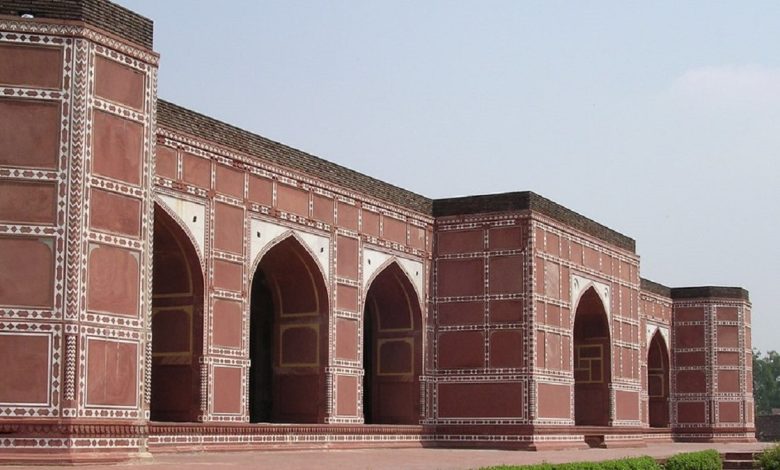
Introduction to the Tomb of Noor Jahan
Nestled near the Tomb of Jahangir in Shahdara, Lahore, the Tomb of Noor Jahan stands as a tribute to one of the most powerful and influential women in Mughal history. Empress Noor Jahan, the wife of Emperor Jahangir, was not only a queen but also a visionary leader, poet, and patron of the arts. Her tomb, a blend of elegance and simplicity, reflects her refined taste and the cultural richness of the Mughal era.
The Life and Legacy of Noor Jahan
Noor Jahan, originally named Mehr-un-Nissa, was known for her intellect, political acumen, and artistic sensibilities. She played a pivotal role in the Mughal court, wielding immense influence over state affairs, art, and architecture. As a patron of the arts, she left an indelible mark on Mughal culture, commissioning many architectural marvels and fostering a golden age of creativity. Her tomb, built in her memory, symbolizes her remarkable contributions and the respect she commanded during her lifetime.
Architectural Features of the Tomb
The Tomb of Noor Jahan, constructed in the 17th century, is a masterpiece of Mughal architecture. While it does not boast the grandeur of larger Mughal mausoleums, its charm lies in its intricate design and serene setting. The structure is made of red sandstone and embellished with floral motifs, geometric patterns, and remnants of marble inlays. The surrounding gardens, once a vibrant charbagh (four-part garden), reflect the Mughal emphasis on harmony between architecture and nature.
The tomb’s design bears similarities to other Mughal structures, showcasing the dynasty’s love for symmetry, elegance, and detailed craftsmanship. Despite centuries of wear and challenges posed by neglect, the tomb’s remnants still exude an air of regal sophistication.
Proximity to the Tomb of Jahangir
Located near her husband’s grand mausoleum, the Tomb of Noor Jahan creates a unique historical and cultural connection between the two. The close proximity symbolizes the deep bond between the emperor and his beloved wife. Visitors often explore both sites together, gaining a comprehensive understanding of the Mughal dynasty’s architectural prowess and the personal stories of its rulers.
Historical Challenges and Restoration Efforts
Over the centuries, the Tomb of Noor Jahan has faced significant challenges, including neglect, vandalism, and the impact of urban development. Despite these issues, restoration efforts have been undertaken to preserve this vital piece of history. Conservationists and historians are working to revive the site’s original beauty, ensuring that it continues to inspire future generations.
Restoration projects aim to protect the delicate carvings, repair structural damage, and revive the surrounding gardens to their former glory. These efforts highlight the importance of preserving cultural heritage in Pakistan.
Tourism and Cultural Significance
The Tomb of Noor Jahan is a significant cultural and historical landmark, drawing visitors from around the world. For history enthusiasts, it offers a glimpse into the life of one of the most remarkable women of the Mughal era. For locals, it serves as a reminder of the rich heritage that shapes their national identity. The site’s serene environment also provides an ideal setting for reflection and appreciation of Mughal artistry.
Noor Jahan’s Contributions to Mughal Culture
Beyond her tomb, Noor Jahan’s legacy can be seen in her numerous contributions to Mughal culture. She introduced innovative fashion trends, including the popularization of intricate embroidery and jewelry designs. She also played a significant role in the development of gardens, palaces, and other architectural projects. Her influence extended to poetry, where she expressed her thoughts and emotions, leaving a literary legacy that continues to inspire.
Connecting the Past to the Present
Visiting the Tomb of Noor Jahan is not just an exploration of the past but also a connection to the enduring values of art, culture, and heritage. It serves as a bridge between the glorious Mughal era and contemporary efforts to honor and preserve history. The site encourages visitors to reflect on the contributions of women in history and their roles in shaping civilizations.
Accessibility and Visitor Experience
The tomb is easily accessible from Lahore’s city center, making it a convenient destination for tourists and locals alike. Visitors can enjoy guided tours that provide insights into the life of Noor Jahan, the architectural features of her tomb, and its historical significance. The peaceful ambiance and picturesque surroundings make it a must-visit site for anyone exploring Lahore’s historical treasures.
Conclusion
The Tomb of Noor Jahan stands as a symbol of grace, intellect, and artistic excellence. It pays homage to a woman who defied societal norms to become one of the most powerful figures in Mughal history. Despite the passage of time, the tomb continues to inspire admiration for its architectural beauty and the legacy it represents. A visit to this site is a journey through history, offering a deeper appreciation of the cultural and artistic achievements of the Mughal era.