
Electricity Prices Likely to Drop by Rs.12 Per Unit
Government Initiatives Aim to Provide Relief to Consumers
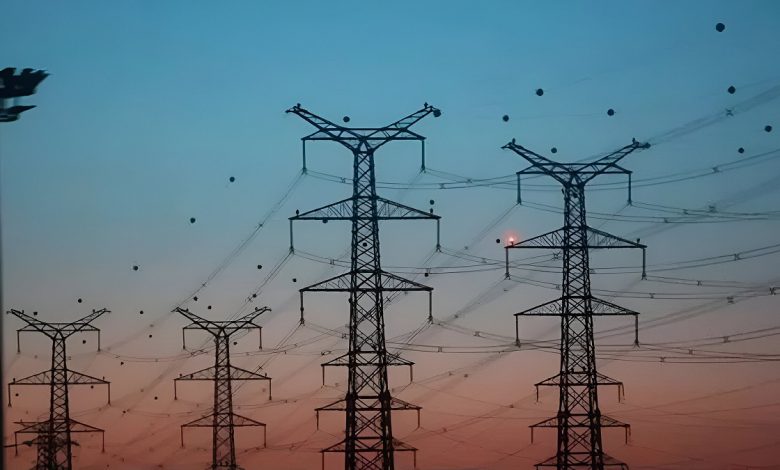
Electricity prices in Pakistan may soon see a significant reduction, bringing much-needed relief to millions of consumers across the country. Federal Minister for Energy, Awais Leghari, recently announced that ongoing negotiations with key stakeholders, including the International Monetary Fund (IMF) and Independent Power Producers (IPPs), are paving the way for a potential reduction in electricity tariffs by Rs.10 to Rs.12 per unit.
Ongoing Talks Yield Promising Results of Electricity
The discussions with the IMF and IPPs have already saved Pakistan an estimated Rs.1,100 billion. This monumental saving is a significant step toward addressing the financial challenges faced by the energy sector. The reduction in electricity tariffs is not only a result of these savings but also part of a broader strategy to make energy more affordable for the general public.
Awais Leghari emphasized the government’s commitment to ensuring that these savings translate into tangible benefits for consumers. “Our aim is to reduce the financial burden on households and businesses by lowering electricity costs,” he stated during a recent press conference.
Focus on K-Electric and Multi-Year Tariff
The Federal Minister also highlighted the need to revise K-Electric’s multi-year tariff, advocating for a reduction to align it with national affordability goals. K-Electric, which serves Karachi and its surrounding areas, plays a critical role in the country’s energy landscape. Ensuring fair pricing for its consumers is a priority for the government, especially given the economic pressures faced by urban residents.
Combating Electricity Theft
In addition to tariff adjustments, the government is intensifying efforts to prevent electricity theft, particularly in Khyber-Pakhtunkhwa (KP). Electricity theft remains a significant issue, causing billions of rupees in losses annually. Addressing this challenge is crucial for stabilizing the energy sector and ensuring that honest consumers are not penalized with higher costs.
The Federal Minister reiterated the importance of collaborative efforts between law enforcement agencies and utility providers to curb theft. Enhanced monitoring, stricter penalties, and public awareness campaigns are some of the measures being implemented to address this persistent issue.
Nepra’s Role in Tariff Reductions
The National Electric Power Regulatory Authority (Nepra) has also stepped in to provide relief to consumers. In a recent decision, Nepra approved a reduction in electricity tariffs by up to 75 paisa per unit for Distribution Companies (DISCOs) and K-Electric. This reduction, set to take effect in January 2025, is expected to provide additional financial relief to both residential and commercial consumers.
Nepra’s move aligns with the government’s broader objective of making energy more affordable while ensuring the sustainability of the power sector. It is part of a series of regulatory measures aimed at promoting efficiency and cost-effectiveness in electricity generation and distribution.
Benefits for Consumers
The anticipated reduction in electricity prices is expected to bring significant benefits to consumers across Pakistan. Lower energy costs will provide much-needed financial relief to households struggling with rising living expenses. It will also benefit businesses, particularly small and medium enterprises (SMEs), by reducing their operational costs and improving competitiveness.
For industrial consumers, lower electricity tariffs could lead to increased production and job creation. This ripple effect has the potential to boost economic growth and enhance Pakistan’s industrial output.
Addressing Structural Issues
While these steps mark progress, energy experts caution that structural issues within Pakistan’s power sector still need to be addressed. High transmission and distribution losses, outdated infrastructure, and the reliance on expensive imported fuels remain significant challenges.
The government’s focus on renewable energy sources, such as wind, solar, and hydropower, is a step in the right direction. Expanding the share of renewables in the energy mix can reduce dependency on costly imported fuels and lower generation costs in the long run.
Additionally, investments in modernizing the power grid and improving efficiency are critical to ensuring a sustainable and reliable energy supply.
A Positive Outlook
The announcement of potential electricity price reductions is a ray of hope for Pakistanis grappling with economic hardships. The government’s proactive measures, coupled with Nepra’s regulatory interventions, demonstrate a commitment to providing relief to consumers while addressing systemic challenges.
As the country moves toward implementing these changes, transparency and accountability will be essential to ensuring that the promised benefits reach the intended beneficiaries.
Conclusion
The potential drop in electricity prices by Rs.12 per unit reflects a significant effort by the government to alleviate financial pressures on households and businesses. Through ongoing negotiations, regulatory reforms, and anti-theft initiatives, Pakistan’s energy sector is moving toward a more sustainable and consumer-friendly future.
The success of these initiatives will depend on effective implementation and continued collaboration between stakeholders. With a clear focus on affordability, efficiency, and sustainability, Pakistan is taking meaningful steps toward addressing its energy challenges and improving the quality of life for its citizens.


