
GK: In Which Indian State Is the ‘Lake of Tears’ Located?

Loktak Lake, located in the northeastern state of Manipur, is one of India’s most extraordinary natural wonders. Often referred to as the “Lake of Tears” in local folklore, it is a place where ecological uniqueness, cultural heritage, and emotional storytelling come together. (Image: Instagram)
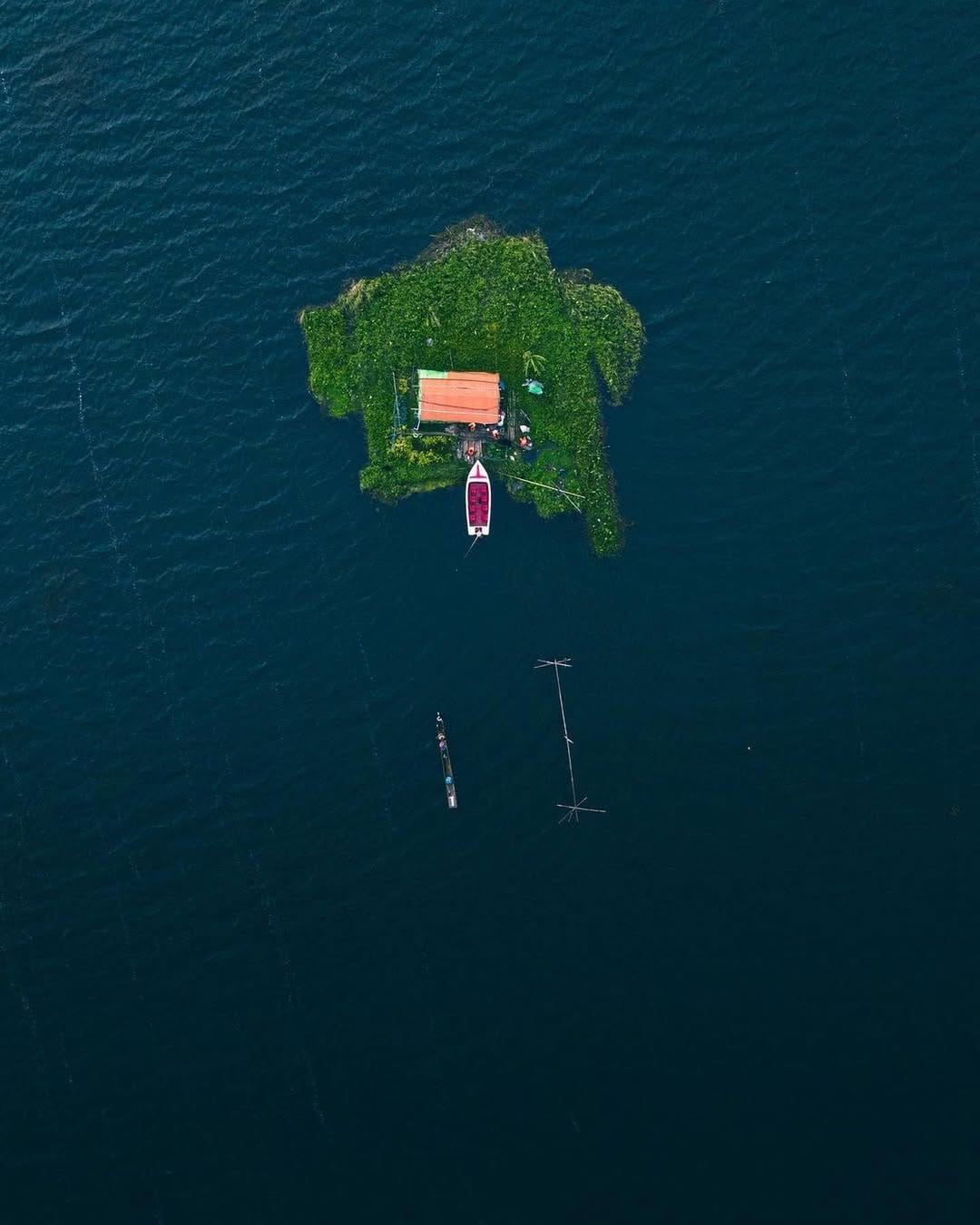
Beyond its poetic nickname, Loktak is also the largest freshwater lake in Northeast India and home to the world’s only floating national park, making it a site of immense environmental and cultural importance. (Image: Instagram)
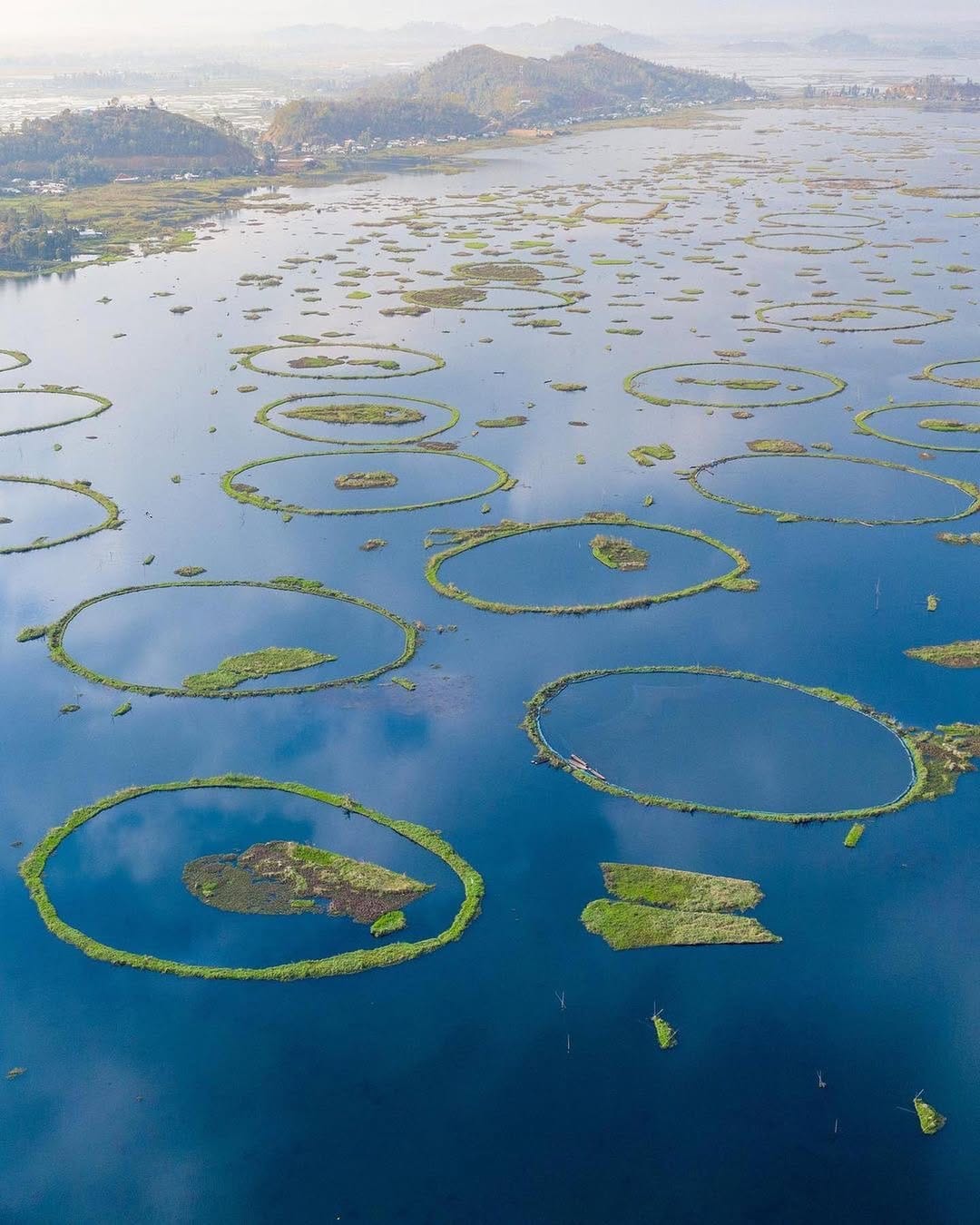
Loktak Lake lies in Moirang, Bishnupur district of Manipur, about 48 km from Imphal. It spans 250 km², expanding up to 500 km² during the monsoon due to seasonal inflows from rivers such as the Manipur, Khuga, Nambul, Imphal, and Thoubal rivers. (Image: Instagram)
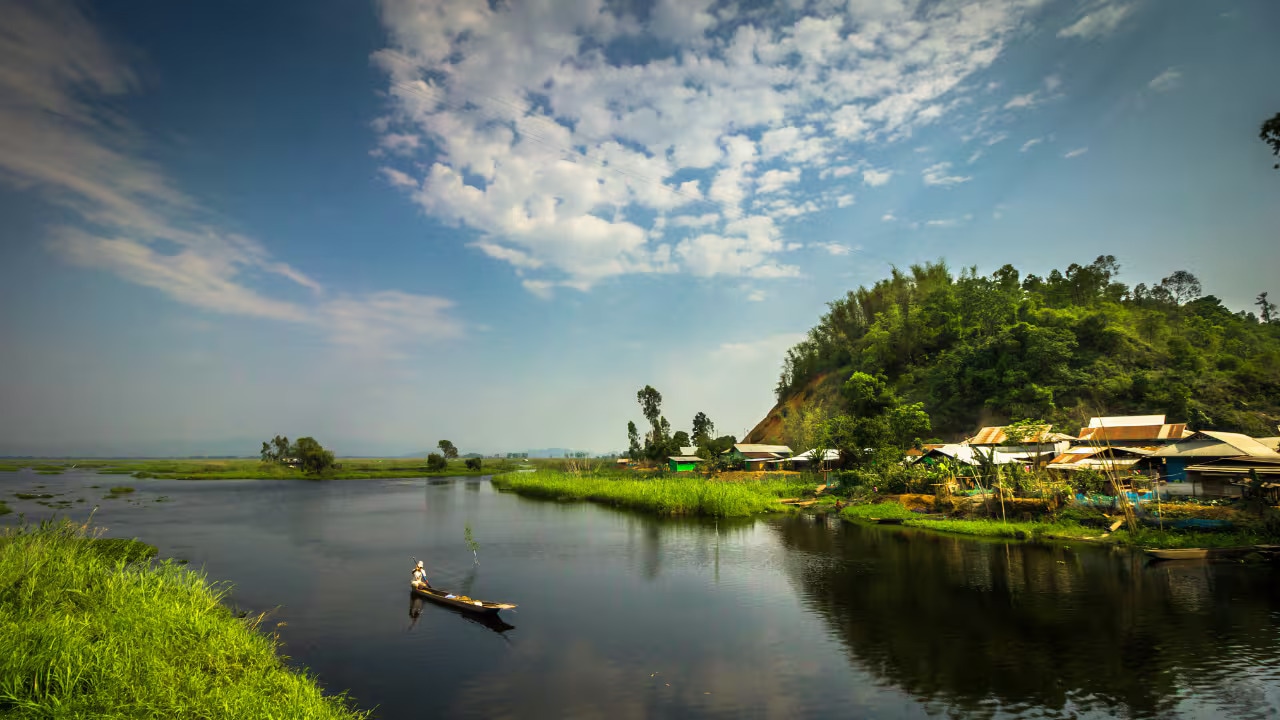
The poetic name comes from local legends and folklore that describe the lake as a symbol of sorrow, longing, and emotional depth. Stories passed down through generations speak of lovers separated by fate, warriors lost in battle, and spirits believed to inhabit the waters, all contributing to the lake’s melancholic aura. While the name is cultural rather than official, it reflects how deeply the lake is woven into Manipuri identity. (Image: Instagram)
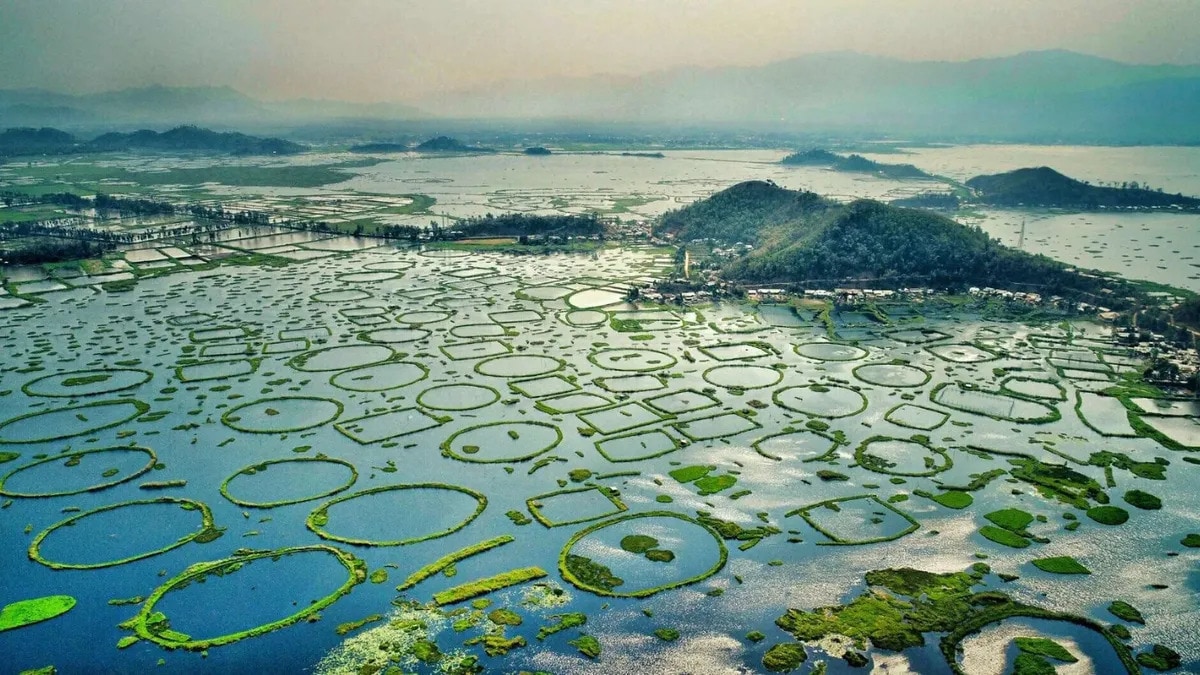
Loktak is famous for its phumdis, floating masses of vegetation, soil, and organic matter that form natural islands. These phumdis support homes, fishing communities, wildlife habitats, and even a national park. This phenomenon is extremely rare globally, making Loktak a scientific and ecological marvel. (Image: Wikimedia Commons)
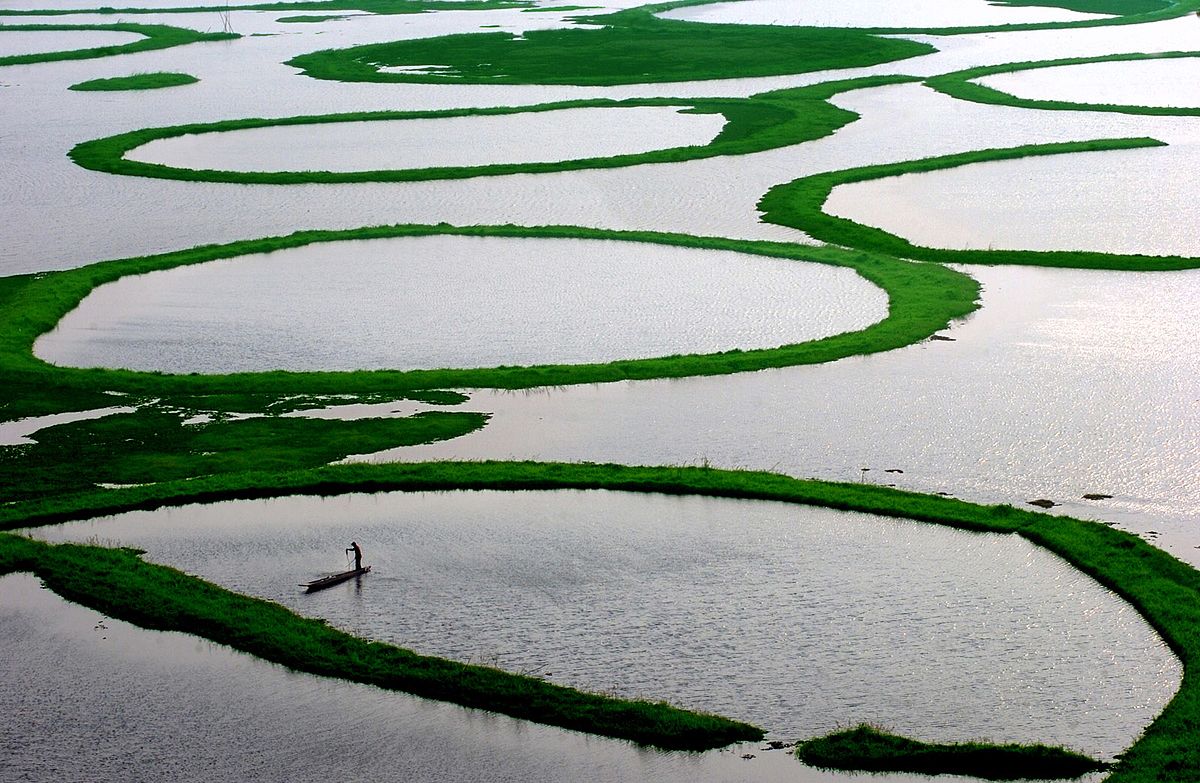
Located on a large phumdi, Keibul Lamjao National Park is the world’s only floating national park and the last natural refuge of the endangered Sangai deer, also known as the Manipur brow-antlered deer. (Image: Instagram)
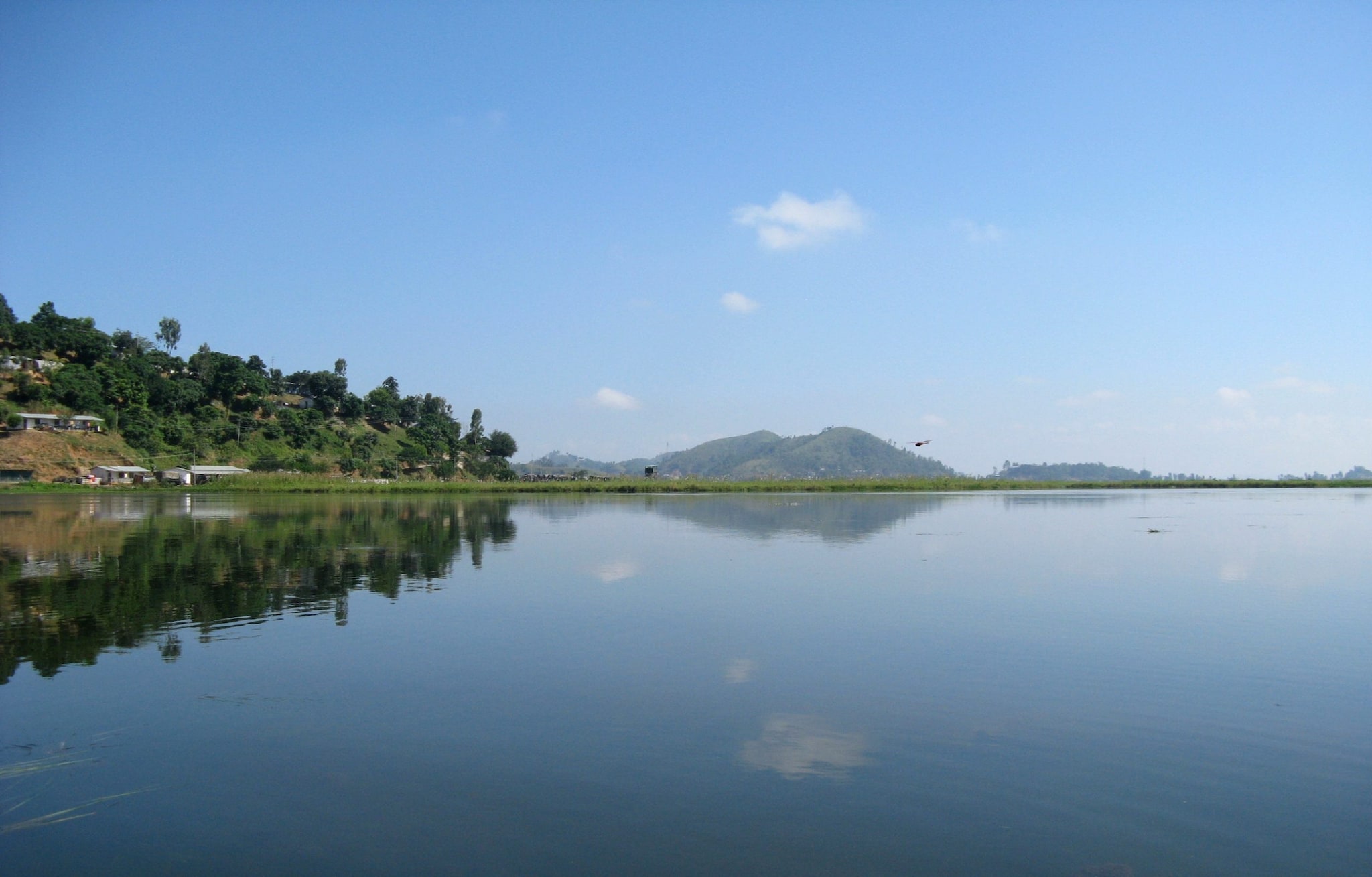
Loktak Lake was designated a Ramsar Wetland of International Importance on 23 March 1990 due to its biodiversity and ecological value. (Image: Instagram)
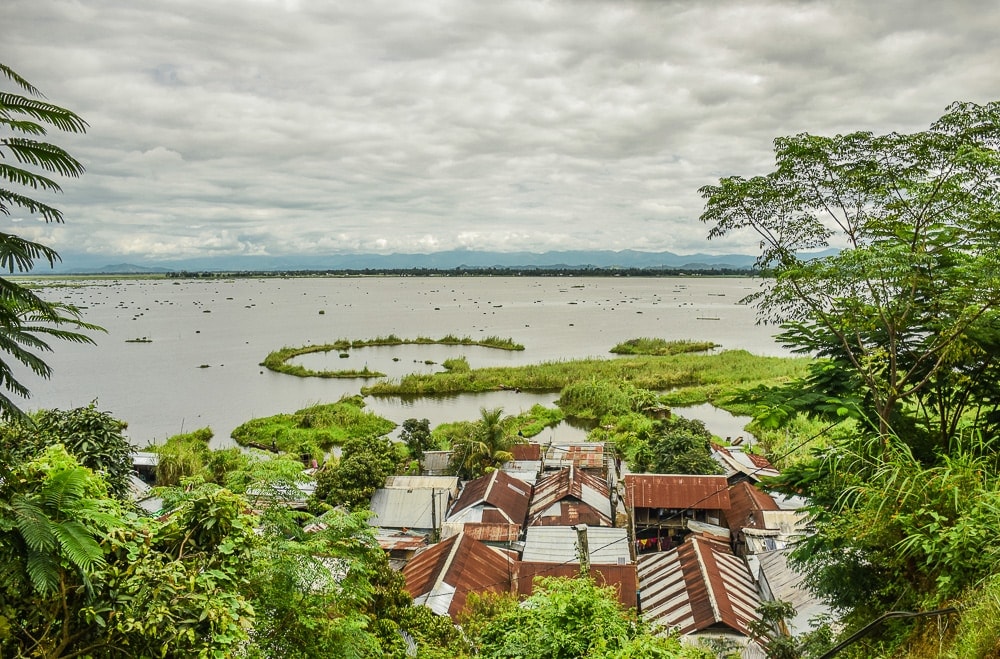
Visitors to Loktak Lake can enjoy boating through floating islands, visiting the floating national park, exploring fishing villages, watching sunrise over the phumdis, and learning about local folklore and traditions. The lake offers a blend of natural beauty and cultural immersion unlike anywhere else in India. (Image: Instagram)
Source link


