
Habib Bank Plaza: South Asia’s Tallest Landmark From 1963 to 1992
A Towering Symbol of Progress, Pride, and Architectural Excellence in Karachi
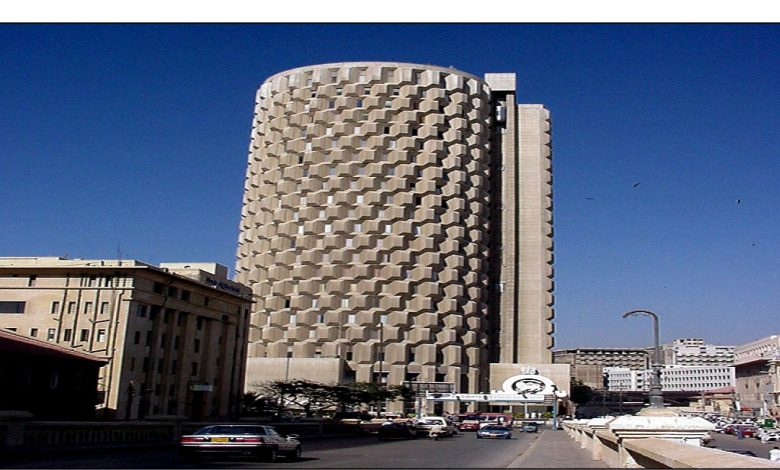
Habib Bank Plaza, located in the bustling city of Karachi, stands as an enduring symbol of Pakistan’s aspirations and architectural advancement. Completed in 1963, the iconic building rose to a height of 102 meters (335 feet) with 25 floors, making it the tallest structure in South Asia at the time. For decades, it graced Karachi’s skyline, embodying the spirit of innovation and progress.
Habib Bank Plaza – A Milestone in South Asian Architecture
The construction of Habib Bank Plaza was not just a local achievement but a milestone on the international stage. At its completion, it became the tallest building in Asia, a title it held from 1963 to 1965, before other skyscrapers in the region claimed the title. Within South Asia, it remained unmatched in height until 1992, showcasing its legacy as a towering marvel of its era.
Before the rise of towering skyscrapers in the Gulf and South Asia, Habib Bank Plaza was a testament to the modernist architectural movement that was beginning to take root in developing nations. Its completion marked Pakistan’s entry into an era of advanced construction technologies and urban development.
The Vision Behind the Icon
Habib Bank Limited (HBL), one of Pakistan’s largest financial institutions, envisioned a building that would not only serve as its corporate headquarters but also reflect its stature as a leading economic force in the country. The construction of this skyscraper was a bold statement, underscoring HBL’s commitment to progress and its belief in Karachi’s potential as a financial hub.
The architects and engineers responsible for the project worked tirelessly to ensure the structure embodied both modernity and durability. With its sleek design and robust construction, Habib Bank Plaza was built to stand the test of time while setting a new standard for high-rise buildings in the region.
Architectural Features and Design
The design of Habib Bank Plaza was revolutionary for its time. The building’s modernist façade, characterized by clean lines and symmetrical features, stood in stark contrast to the predominantly low-rise structures that defined Karachi’s skyline in the early 1960s. Its steel frame and reinforced concrete construction not only allowed for its impressive height but also ensured its resilience against natural elements.
The interior of the plaza was equally remarkable, designed to meet the needs of a growing financial institution. Spacious offices, state-of-the-art facilities, and a centralized design allowed the building to operate efficiently, setting a benchmark for future corporate architecture in Pakistan.
A Landmark of Progress and Ambition
Habib Bank Plaza was more than just a building; it was a symbol of Pakistan’s post-independence ambition. At a time when the nation was finding its footing on the global stage, this towering structure represented a confident, forward-looking Pakistan ready to embrace modernity.
For Karachi, the building was a beacon of progress. It highlighted the city’s transformation into a bustling metropolis and its emergence as the economic heart of the nation. People from across Pakistan viewed Habib Bank Plaza as a source of pride, a tangible reminder of the country’s potential and determination.
A Witness to Karachi’s Growth
For decades, Habib Bank Plaza stood as the tallest building in Karachi, overseeing the city’s rapid growth and urbanization. From the rise of new business districts to the modernization of infrastructure, the plaza was a silent witness to Karachi’s evolution into a megacity.
Its location in the heart of Karachi gave it strategic importance. Surrounded by key commercial and financial institutions, the plaza became a focal point for economic activity. Even as newer and taller buildings began to rise in the city, Habib Bank Plaza retained its historical significance and architectural charm.
Legacy and Continued Importance
Though its title as South Asia’s tallest structure was surpassed in the 1990s, Habib Bank Plaza remains a cherished landmark. It is an enduring reminder of Pakistan’s early strides in architecture and urban development. The building has since been repurposed to house various offices, but its legacy as a pioneer in high-rise construction remains intact.
For historians, architects, and enthusiasts, the plaza serves as a case study in how architecture can reflect a nation’s values and ambitions. Its influence can be seen in the many skyscrapers that have since risen in Karachi and other parts of Pakistan, inspired by the precedent it set.
A Source of Inspiration
Habib Bank Plaza continues to inspire generations of architects, engineers, and dreamers. Its construction during an era when skyscrapers were a rarity in South Asia demonstrates the power of vision and determination. For Karachiites, it is a monument of resilience and progress, a testament to their city’s unyielding spirit.
Looking Ahead
As Pakistan continues to modernize, Habib Bank Plaza stands as a bridge between the past and the future. It reminds us of the country’s architectural journey and the importance of preserving landmarks that hold historical and cultural significance.
In an age dominated by taller, more complex skyscrapers, Habib Bank Plaza still holds a special place in the hearts of Pakistanis. It remains a proud part of the nation’s heritage, symbolizing a time when the dream of modern Pakistan was taking shape in the form of towering structures like itself.


