
Internet Services Partially Restored in Rawalpindi and Islamabad
Residents Experience Mixed Relief as Mobile Services Resume but Internet Remains Limited
Internet services have been partially restored in Rawalpindi and Islamabad, offering some relief to residents and businesses, while full restoration remains uncertain. Mobile phone services are now fully operational, marking a significant improvement for those struggling with communication disruptions. However, the partial suspension of internet services continues to challenge both individuals and organizations in the affected regions.
Internet services Disruptions: A Closer Look
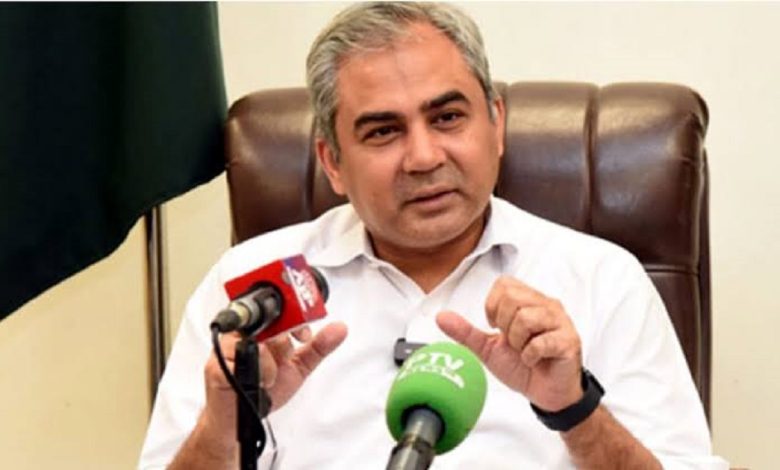
The interruption of internet services began amidst security concerns, as confirmed by Interior Minister Mohsin Naqvi. He explained that mobile data and Wi-Fi connectivity were restricted in areas where security risks were identified, while other regions remained unaffected.
The service outages weren’t limited to the twin cities; major urban centers like Lahore and Faisalabad also experienced disruptions. Popular social media platforms, including Facebook, YouTube, and WhatsApp, were particularly impacted, significantly affecting both personal and professional online activities.
Mobile Services Restored: A Step Forward
The restoration of cellphone services in Rawalpindi and Islamabad has been a welcome development for many. Residents who rely on mobile networks for daily communication and businesses that depend on real-time updates have expressed relief at this progress.
While mobile connectivity provides an essential lifeline, it does not fully compensate for the absence of stable internet access. Many activities, such as remote work, online education, and digital transactions, require consistent internet connectivity, leaving residents still grappling with challenges.
Impacts on Daily Life and Businesses
The partial restoration of internet services has highlighted the importance of connectivity in today’s world. Individuals have reported difficulties accessing critical online services, from banking apps to virtual meetings. Similarly, businesses that operate in digital markets or rely on cloud-based solutions have faced delays, affecting their operations and customer interactions.
For students, the disruption has been equally problematic, especially for those engaged in online learning. With limited internet access, attending virtual classes and submitting assignments has become a major hurdle.
Social media influencers and content creators have also been affected, as platforms like Facebook, Instagram, and YouTube are key sources of income for many. The suspension of these services has caused a ripple effect, impacting their earnings and audience engagement.
Broader Effects on Major Cities
The internet suspension extended beyond Rawalpindi and Islamabad, reaching cities like Lahore and Faisalabad. This widespread disruption raises questions about the resilience of Pakistan’s digital infrastructure during times of crisis.
The limited connectivity has underscored the need for robust alternatives, such as backup systems or secure communication channels, to ensure minimal disruption during emergencies. It has also reignited discussions around the importance of uninterrupted digital access for maintaining economic stability and societal well-being.
The Road Ahead: Challenges and Expectations
Despite the restoration of mobile services, the uncertainty surrounding the complete resumption of internet services remains a concern. Authorities have not provided a specific timeline for full restoration, leaving users in limbo.
Interior Minister Mohsin Naqvi has emphasized the government’s focus on security and ensuring that the suspension is temporary. However, citizens and businesses alike are eager for clarity on when they can expect a return to normalcy.
The situation highlights the delicate balance governments must strike between addressing security concerns and maintaining essential services. While protecting public safety is paramount, prolonged disruptions to internet access can hinder economic activity, disrupt communication, and create widespread frustration.
Reliance on Mobile Services
For now, residents of Rawalpindi and Islamabad must rely on restored mobile services for basic communication. While this provides some relief, the limitations are evident. Tasks requiring high-speed internet or secure connections, such as video conferencing or large file transfers, remain challenging.
The dependence on mobile connectivity also raises concerns about overloading the networks, potentially leading to slower speeds and dropped calls. Authorities may need to consider temporary measures to strengthen mobile networks to accommodate increased usage during this period.
Public Sentiment and Response
The partial restoration of services has been met with mixed reactions from the public. Many have expressed gratitude for the return of mobile connectivity but continue to voice concerns about the prolonged internet services suspension.
On social media platforms, where access has been restored, discussions have focused on the need for greater transparency and communication from authorities. Users have called for updates and a clear action plan to resolve the issue swiftly.
A Call for Resilient Digital Infrastructure
This incident serves as a wake-up call for Pakistan’s digital ecosystem. As internet services becomes increasingly integral to daily life, the country must invest in resilient infrastructure to ensure continuity during crises.
Enhanced security protocols, alternative connectivity options, and contingency plans can help mitigate the impact of similar disruptions in the future. Public-private partnerships may also play a role in building a more robust and reliable digital framework.
Conclusion: Hope for Normalcy
The restoration of mobile services in Rawalpindi and Islamabad marks a step towards normalcy, but the journey is far from complete. As residents and businesses await the full resumption of internet services, the experience underscores the critical role connectivity plays in modern life.
While authorities work to address security concerns, the incident has sparked important conversations about the need for reliable digital access. Moving forward, Pakistan must prioritize the development of resilient systems to ensure that essential services remain uninterrupted, even in challenging times.


