
Karachi Port Trust on High Alert as Heavy Monsoon Rains Loom
Proactive Measures Implemented to Safeguard Port Operations Amidst Anticipated Severe Weather
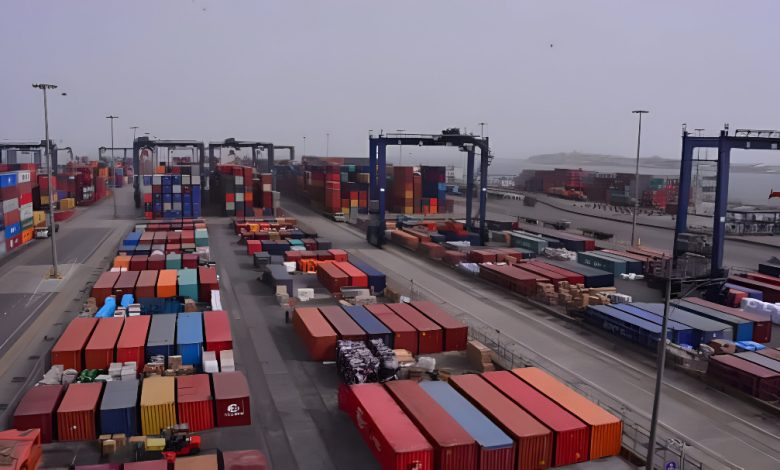
As Karachi braces for the onset of the monsoon season, the Karachi Port Trust (KPT) has declared a high alert in anticipation of heavy rainfall expected to impact the city in the coming days. This proactive stance underscores KPT’s commitment to ensuring the safety of its infrastructure, cargo, and personnel amidst potential severe weather conditions.
Comprehensive Safety Measures in Place
In preparation for the anticipated downpour, KPT has finalized extensive precautionary measures:
- Vessel Management: All ships have been securely berthed, with pilot services and tugboats on standby to navigate vessels into deeper waters if conditions deteriorate.
- Small Craft Securing: Smaller boats are being docked in low-pressure zones to minimize risk, while essential equipment such as dredgers and barges have been tightly moored.
- Cargo Protection: High-value goods, including vehicles and appliances, are now covered with tarpaulin sheets. Empty containers are stacked only two units high to prevent toppling during strong winds.
- Drainage and Infrastructure Checks: Drainage systems near oil piers have been cleared, sump tanks emptied, and rooftop areas inspected for hazardous materials and potential leaks to prevent water ingress.
- Power and Medical Preparedness: Backup generators have been deployed, notably at Izhar Abbasi KPT Hospital, which is now stocked with emergency medicine to ensure uninterrupted medical services.
- Emergency Response Readiness: The Civil Defense Unit is on alert, with volunteers, medical teams, ambulances, and portable submersible pumps ready to respond swiftly to any emergencies. Fire hydrants have been checked, and firefighting equipment is readily accessible.
Anticipated Monsoon Weather Conditions
According to the Pakistan Meteorological Department, the monsoon season is expected to commence earlier than usual, with heavier rainfall anticipated. The National Disaster Management Authority (NDMA) has indicated that the upcoming monsoon season is likely to begin around June 26–27, approximately three to four days ahead of its typical onset. Rainfall across the country is projected to exceed normal levels by up to 5%, with northeastern Punjab bracing for a 50% increase. (Arab News PK)
Karachi, situated along the Arabian Sea, typically experiences its monsoon season from late June to mid-September. The city has a tropical semi-arid climate, characterized by hot, humid summers and mild winters. In recent years, Karachi has witnessed an increase in monsoon rainfall, with annual precipitation projected to reach over 500 mm by 2100. (Wikipedia, Wikipedia)
Historical Context and Lessons Learned
The memory of the 2020 Karachi floods remains vivid, when record monsoon rains inundated the city, leading to significant loss of life and property. The floods were attributed to inadequate drainage systems and unplanned urban development, highlighting the need for comprehensive disaster preparedness. (Wikipedia)
In response, KPT has since enhanced its infrastructure and emergency response protocols to better withstand extreme weather events. The current high alert status reflects a commitment to learning from past experiences and prioritizing the safety of port operations and personnel.
Collaborative Efforts and Future Outlook
KPT’s proactive measures are part of a broader collaborative effort involving various stakeholders, including the NDMA, local government, and emergency services. These coordinated actions aim to mitigate the impact of the anticipated heavy rains and ensure the continuity of port operations, which are vital to Pakistan’s economy.
As climate change continues to influence weather patterns, leading to more frequent and intense monsoon seasons, the importance of robust infrastructure and emergency preparedness cannot be overstated. KPT’s current initiatives serve as a model for other institutions in enhancing resilience against natural disasters.
Final Words
As Karachi prepares to face the brunt of this year’s monsoon rains, the Karachi Port Trust’s swift and strategic response stands as a testament to proactive governance and disaster preparedness. With critical infrastructure secured, emergency teams mobilized, and preventive measures implemented, KPT is setting a high standard for urban resilience in the face of climate challenges. However, the real test lies ahead — and it will depend not just on planning, but on timely coordination, public awareness, and continued investment in climate-adaptive infrastructure.
For now, residents and port stakeholders alike can take some reassurance in knowing that the city’s gateway to the sea is ready to weather the storm.


