
Nagasaki Day 2024: Know About Bombing during World War II and Other Facts
Reflecting on the Tragic Legacy and Lessons of the Atomic Bombing
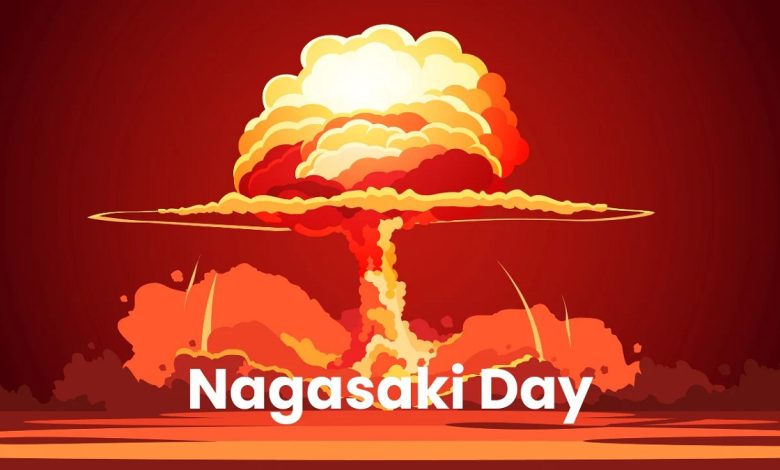
Every year on August 9th, the world pauses to remember Nagasaki Day, marking the anniversary of the atomic bombing of Nagasaki, Japan, during World War II. This day is not only a commemoration of the devastating event but also a reminder of the horrors of nuclear warfare and the enduring call for global peace and disarmament. As we observe Nagasaki Day in 2024, it is essential to reflect on the historical significance, impact, and lessons from this tragic event.
The Historical Context
The bombing of Nagasaki occurred in the final days of World War II, a conflict that had already wrought unprecedented destruction across the globe. By mid-1945, the Allied forces were pushing towards victory in the Pacific, but Japan remained resolute in its resistance. After the atomic bombing of Hiroshima on August 6, 1945, which resulted in massive casualties and destruction, the United States prepared for a second strike to force Japan’s surrender and bring an end to the war.
The Bombing of Nagasaki
On August 9, 1945, at 11:02 AM, the United States dropped an atomic bomb, codenamed “Fat Man,” on Nagasaki. Unlike Hiroshima, where the bomb was detonated at a lower altitude, the bomb over Nagasaki was detonated higher, resulting in a different pattern of destruction. The explosion obliterated much of the city, instantly killing an estimated 40,000 people, with total fatalities reaching around 70,000 by the end of the year due to injuries and radiation sickness.
The Immediate Aftermath
The immediate aftermath of the bombing was catastrophic. The blast radius destroyed buildings, infrastructure, and homes, leaving Nagasaki in ruins. Survivors, known as hibakusha, faced unimaginable suffering from burns, radiation sickness, and injuries. Hospitals were overwhelmed, and medical supplies were scarce. The city’s industrial capacity, crucial for Japan’s war effort, was also decimated, significantly crippling the nation’s ability to continue the war.
The Human Impact
The human impact of the Nagasaki bombing extended far beyond the immediate casualties. Survivors suffered from long-term health issues, including various cancers and chronic illnesses caused by radiation exposure. The psychological trauma of witnessing such devastation and losing loved ones left deep emotional scars. The hibakusha became advocates for peace, sharing their stories to educate future generations about the horrors of nuclear warfare and the importance of disarmament.
The Decision to Use Atomic Bombs
The decision to use atomic bombs on Hiroshima and Nagasaki has been a subject of intense debate among historians and ethicists. Proponents argue that the bombings were necessary to bring a swift end to World War II and save lives that would have been lost in a prolonged conflict. Critics, however, contend that the use of such devastating weapons on civilian populations was morally indefensible and set a dangerous precedent for future warfare.
Nagasaki’s Path to Recovery
Despite the immense devastation, Nagasaki began a remarkable journey of recovery and rebuilding. The city transformed itself from a symbol of destruction to one of peace and resilience. Reconstruction efforts focused on both physical infrastructure and the social fabric of the community. Today, Nagasaki stands as a vibrant city, with memorials and museums dedicated to preserving the memory of the bombing and promoting a message of peace.
The Nagasaki Peace Park
The Nagasaki Peace Park, established at the epicenter of the blast, serves as a poignant reminder of the bombing’s impact and a testament to the city’s commitment to peace. The park features the Peace Statue, a powerful symbol of hope and reconciliation, and various monuments dedicated to the victims. The Atomic Bomb Museum, located nearby, offers a comprehensive account of the events, personal testimonies, and artifacts, educating visitors about the horrors of nuclear war.
Global Implications and Disarmament Efforts
The bombings of Hiroshima and Nagasaki had far-reaching implications for global politics and the future of warfare. They marked the beginning of the nuclear age, prompting an arms race and the proliferation of nuclear weapons. The sheer destructiveness of atomic bombs instilled a pervasive fear of nuclear conflict, leading to various disarmament efforts and treaties aimed at preventing the use of nuclear weapons. Nagasaki Day serves as a call to action for continued advocacy for global disarmament and peace.
Lessons for the Future
As we observe Nagasaki Day in 2024, it is crucial to reflect on the lessons these events teach us. The bombings underscore the catastrophic consequences of nuclear warfare and the urgent need for disarmament. They remind us of the importance of diplomacy, conflict resolution, and international cooperation in preventing such tragedies from occurring again. Educating future generations about the history and impact of nuclear weapons is essential for fostering a culture of peace and responsibility.
Conclusion
Nagasaki Day is a solemn reminder of the devastating impact of the atomic bombings during World War II. By commemorating this day, we honor the memory of the victims and survivors and reaffirm our commitment to peace and disarmament. As we reflect on the history and lessons of Nagasaki, let us strive to create a world where such horrors are never repeated, and where peace and understanding prevail over conflict and destruction.


