
Oil Prices Rise After Trump Rejects Iran’s Response To US Peace Proposal
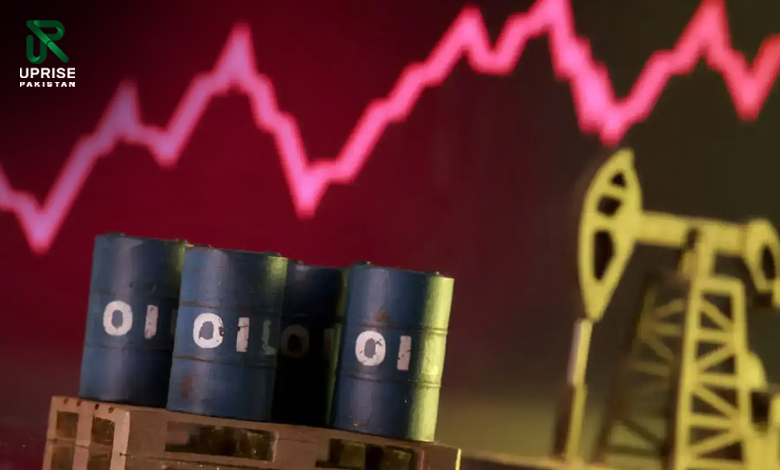
Oil prices jumped after President Donald Trump rejected Iran’s response to a US peace proposal. Investors reacted fast because the Strait of Hormuz still looked “largely closed.” That closure matters because it threatens oil supply and shipping safety. As a result, traders priced in more risk and less oil flow. This story feels urgent because higher oil prices often lift fuel costs quickly. Also, when talks stall, markets expect a longer crisis.
Oil Jumps 4% After Trump Rejects Iran’s Reply
Oil rallied on Monday after Trump called Iran’s response unacceptable, according to Reuters via Dawn. Brent crude climbed about $4.16 to $105.45 a barrel in early trading. At the same time, US West Texas Intermediate rose about $4.38 to $99.80 a barrel. Those moves equal roughly a 4% jump in a few hours. However, the bounce followed a rough week. Both contracts had posted about 6% weekly losses on hopes for a deal. So, Monday’s surge looked like a quick mood swing. Investors moved from relief back to risk.
Why Trump’s Rejection Moved Prices So Fast
Oil traders react to two things: supply fear and headline speed. When Trump rejected Iran’s reply, traders saw higher odds of conflict lasting longer. That matters because the Strait of Hormuz remains a choke point. Reuters quoted an analyst who captured the mood well: “The oil market continues to trade like a geopolitical headline machine.” In other words, one post can move billions of dollars. Also, the war has already tightened inventories. Saudi Aramco’s CEO said the world lost about 1 billion barrels over two months. So, even talk of hope cannot refill tanks overnight.
A Tight Market, Plus Risky Shipping, Adds Fuel To The Move
Even when oil exists, it must travel safely. Right now, shipping looks risky in and near Hormuz. Reuters reported that some tankers exited with trackers switched off to reduce attack risk. That detail scares markets because it signals fear on the water.
| Market driver | What it means | Why does it lift prices |
| Trump rejects Iran’s response | Talks look shaky | Traders price longer conflict |
| Strait of Hormuz stays tight | Less oil moves safely | Supply fear rises |
| Lost barrels and low stocks | Less buffer in storage | Any shock feels bigger |
ING warned that risk could keep a “premium” in prices for a while.
Why Trump’s China Visit Became a Market Event
Markets now watch diplomacy like sports fans watch a final score. Trump plans to visit Beijing and meet China’s President Xi Jinping. Reuters said investors hope China can push Iran toward a broader ceasefire. So, the trip became a market event, not just a political one.
At the same time, Iran’s response reportedly included demands on sanctions and the Strait of Hormuz. That gap matters because both sides want leverage.
Key signs traders will track include:
- Any fresh ceasefire timeline news?
- Any change in shipping flow through Hormuz.
- Any shift in sanctions language or enforcement.
How The Strait Of Hormuz Can Raise Everyday Costs
Oil prices do not stay on trading screens. They often show up at gas stations and store shelves. When crude rises, fuel can cost more to refine and ship. Trucking and airline costs often rise, too. After that, food and goods can get more expensive.
Also, the Strait of Hormuz affects more than oil alone. AP described broad economic stress from Iran’s grip and stranded ships. So, the pain spreads beyond energy markets.
People feel the stress in simple ways:
- Higher gas and diesel costs.
- Higher delivery fees and fares.
- More price swings week to week.
Why Higher Oil Prices Can Hit Families Fast
When oil rises, gas often follows. Also, shipping and airline costs can climb. That can hit families fast, especially during long disruptions. AP reported Trump even floated a gas tax pause while warning the ceasefire was fragile. That shows the political pressure from fuel costs. Here are three things to watch now: peace talk signals, Hormuz shipping flow, and any new UN pressure moves. If talks restart, prices can cool quickly. However, if the Strait stays tight, oil prices can stay elevated.


