
No Ban on Marked Currency Notes from July 1, SBP Clarifies
Fake Notification Sparks Confusion; State Bank Assures Public That Notes with Pen Marks Will Remain Legal Tender
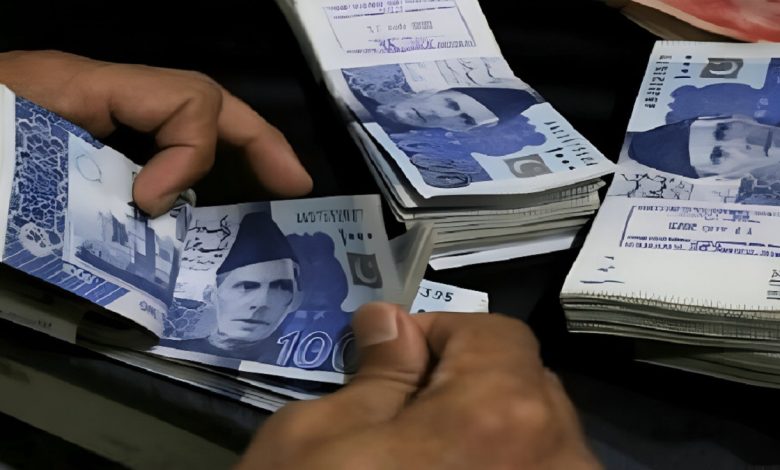
In response to rapidly circulating misinformation across social media platforms, the State Bank of Pakistan (SBP) has officially denied rumors claiming that currency notes bearing pen marks or handwritten text will be deemed invalid from July 1, 2025. The central bank issued a clear clarification, urging citizens not to be misled by fabricated notifications making false claims about changes to legal tender status.
The confusion stemmed from a fake circular that spread widely on messaging apps and social media platforms, misleading people into believing that any Pakistani banknote with pen marks, scribbles, or minor handwriting would become obsolete and unacceptable after July 1. The misinformation caused panic among the general public, with many people visiting banks and inquiring whether their currency would soon lose its value.
SBP’s Strong Denial of the Rumors
In an official statement shared with media outlets, SBP Chief Spokesperson Noor Ahmed rejected the rumors, terming them “completely baseless.” Speaking to The Express Tribune, he said, “There is no truth to the claim that the State Bank is planning to demonetize currency notes with pen marks or writing. No such notification has been issued, and all circulating notes that meet the basic conditions of genuineness will remain valid.”
He also emphasized that the SBP continuously monitors such rumors and takes appropriate action to clarify misinformation. “Currency notes are a national asset and part of the everyday functioning of our economy. Causing confusion about their legitimacy not only disrupts daily transactions but also erodes public trust in financial systems,” Ahmed stated.
Origin of the Rumor and Historical Context
This is not the first time that similar false notifications have created confusion in Pakistan. A similar incident occurred in September 2014, when the SBP had to respond to another wave of misinformation. Back then, the central bank addressed concerns about currency notes being marked with political slogans, particularly the phrase “Go Nawaz Go”, which was being widely written on notes following a public campaign led by Pakistan Awami Tehreek (PAT) leader Tahirul Qadri.
In that instance, the SBP had advised the public to refrain from defacing currency with political slogans or inappropriate content. While the bank had clarified that such defacement was legally discouraged and that commercial banks could refuse to accept notes with slogans promoting political agitation, it never imposed a blanket ban on all marked or handwritten notes.
According to the Pakistan Penal Code (PPC) and relevant banking laws, intentionally defacing currency notes is an offense, especially when it alters security features or carries content that may incite unrest. However, general wear and tear, small pen marks, or minor writings do not render a banknote invalid, unless they compromise the note’s security attributes such as serial numbers or embedded threads.
Currency Handling and Public Responsibility
While addressing the recent fake notification, Noor Ahmed reiterated that the SBP encourages all citizens to treat currency notes with care and respect. “We all share the responsibility of protecting the integrity of our currency. Writing on notes should be avoided—not because they will become illegal—but because it reduces the lifespan of the currency and adds pressure to the reprinting process, which is costly for the state.”
He further explained that defaced notes often need to be removed from circulation sooner, leading to an increased demand for replacement printing, which costs the national exchequer millions of rupees annually. Additionally, dirty or heavily marked notes can impact everyday business operations and damage Pakistan’s image internationally, especially when those notes reach foreign hands.
Banks and businesses are therefore encouraged to report large volumes of defaced or damaged currency and help guide citizens toward better handling practices. This includes not writing notes, mobile numbers, account numbers, or slogans on currency notes—an unfortunately common practice in many regions of the country.
Role of Social Media in Spreading Misinformation
The SBP has also taken note of the role social media plays in fueling false narratives. In recent years, with the growing influence of WhatsApp forwards, Facebook posts, and Twitter threads, misinformation has traveled faster than ever. The SBP is now reportedly working with the Pakistan Telecommunication Authority (PTA) and cybercrime units to track and possibly take action against those spreading fabricated content that affects financial systems and causes public panic.
Public awareness campaigns are also in the pipeline. According to sources within the central bank, future communication efforts will focus on financial literacy, responsible currency handling, and how to spot fake news related to banking policies. The bank will continue to use its verified social media handles and official website to post accurate and timely updates for the public.
Key Takeaways for Citizens
- All authentic currency notes, even those with minor pen marks or signs of wear, remain legal tender.
- No circular or official notice has been issued by the SBP banning such notes from July 1, 2025.
- Defacing currency notes with political slogans or offensive language is discouraged and can be rejected by banks.
- For accurate information, always rely on official SBP sources like their website (www.sbp.org.pk) or verified social media profiles.
- Avoid sharing or forwarding unverified information online, especially about financial or legal matters.
Looking Ahead
As Pakistan continues to move toward modernization in its banking and currency systems, public trust and cooperation remain essential. The SBP’s clear stance in the face of misinformation highlights the need for a well-informed society that can discern between verified updates and social media rumors.
By treating currency with respect and staying vigilant against fake news, citizens contribute not only to smoother financial operations but also to national dignity and economic resilience.


