Shalimar Gardens: A Timeless Masterpiece of Mughal Landscaping
A Timeless Masterpiece of Mughal Landscaping
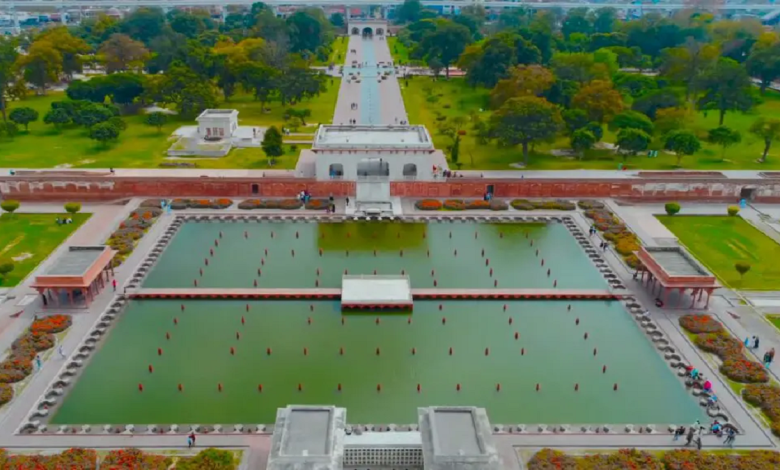
Introduction to Shalimar Gardens
The Shalimar Gardens, located in Lahore, Pakistan, stand as a breathtaking example of Mughal landscaping and architecture. Designed by Emperor Shah Jahan in 1641, these gardens are a UNESCO World Heritage Site and one of the finest symbols of the Mughal Empire’s artistic and engineering prowess. The gardens embody the perfect harmony of nature and design, offering visitors an unparalleled experience of tranquility and beauty.
Covering an area of 16 hectares, the Shalimar Gardens were originally constructed as a retreat for royalty, showcasing the grandeur of the Mughal era. Today, they remain a cherished historical landmark and a must-visit destination for those exploring Lahore’s rich cultural heritage.
The Vision Behind Shalimar Gardens
Emperor Shah Jahan, celebrated for his architectural marvels like the Taj Mahal, envisioned the Shalimar Gardens as a sanctuary of peace and luxury. Inspired by Persian gardening traditions, the gardens reflect the Mughal Empire’s appreciation for nature and aesthetics.
The word “Shalimar” is derived from Persian, meaning “abode of love” or “pure delight,” perfectly encapsulating the essence of these gardens. Their design incorporates elements of symmetry, geometry, and flowing water, symbolizing the Islamic concept of paradise.
Architectural Layout and Features
The Shalimar Gardens are divided into three terraces, each with a unique purpose and character. These terraces are:
- Farah Baksh (Bestower of Pleasure): The uppermost terrace, adorned with fountains and pavilions, served as the royal retreat.
- Faiz Baksh (Bestower of Goodness): The middle terrace, with its lush greenery and flower beds, was designed for guests and dignitaries.
- Hayat Baksh (Bestower of Life): The lowest terrace, accessible to the public, is the most expansive and features an elaborate water distribution system.
The gardens are adorned with 410 fountains, strategically placed to create a cooling effect and enhance the overall aesthetic. The water flows through a network of canals and cascades, producing a soothing soundscape. Marble pavilions, ornate walkways, and carved niches further add to the gardens’ grandeur.
Historical Significance
The Shalimar Gardens are not just a symbol of Mughal artistry; they are also a testament to the empire’s advanced engineering and landscaping skills. The intricate water system, which relies on gravity and natural topography, is a remarkable achievement of its time.
These gardens were also a venue for royal celebrations, cultural gatherings, and diplomatic meetings, reflecting their importance in the social and political life of the Mughal court. Over the centuries, the gardens have witnessed the rise and fall of empires, from the Mughals to the Sikhs and the British.
Preservation as a UNESCO World Heritage Site
In 1981, the Shalimar Gardens were designated a UNESCO World Heritage Site, highlighting their universal value as a cultural and historical treasure. Preservation efforts have focused on restoring the gardens’ original features and ensuring their sustainability for future generations.
The challenges of urbanization, pollution, and weathering have necessitated ongoing restoration projects. These efforts aim to maintain the gardens’ aesthetic and historical integrity, ensuring they continue to inspire awe and admiration.
A Symbol of Lahore’s Heritage
The Shalimar Gardens hold a special place in the hearts of Lahoris and Pakistanis alike. They are a source of pride and a symbol of Lahore’s rich cultural heritage. The gardens are also a popular spot for tourists and locals, offering a serene escape from the bustling city life.
The gardens play host to various cultural events, such as music festivals, art exhibitions, and traditional performances, keeping the Mughal spirit alive. These activities not only celebrate the gardens’ historical significance but also connect modern audiences with their timeless beauty.
Visiting the Shalimar Gardens
A visit to the Shalimar Gardens is a journey into the past. The gardens’ lush lawns, fragrant flower beds, and cascading fountains create a peaceful ambiance that captivates every visitor.
The best time to visit is during spring and early summer when the gardens are in full bloom. Guided tours provide fascinating insights into the gardens’ history and architecture, enriching the visitor experience.
Why the Shalimar Gardens Matter Today
In a world where urban landscapes dominate, the Shalimar Gardens stand as a reminder of the Mughal Empire’s love for nature, beauty, and harmony. They are a living example of sustainable design and cultural preservation.
The gardens also serve as an educational resource, teaching visitors about Mughal history, architecture, and landscaping techniques. They inspire a deeper appreciation for the intersection of art, culture, and nature.
Conclusion
The Shalimar Gardens are more than just a historical site; they are a legacy of Mughal artistry, a symbol of Lahore’s identity, and a source of inspiration for generations to come. Whether you’re drawn by their historical significance, architectural brilliance, or natural beauty, the gardens offer an experience that is both enriching and unforgettable.
Visiting the Shalimar Gardens is not just a journey into the past but also a celebration of the timeless connection between humanity and nature.