
Govt Declares Smartwatches and Fitness Trackers as Security Risks
How Wearable Technology Can Compromise Privacy and National Security
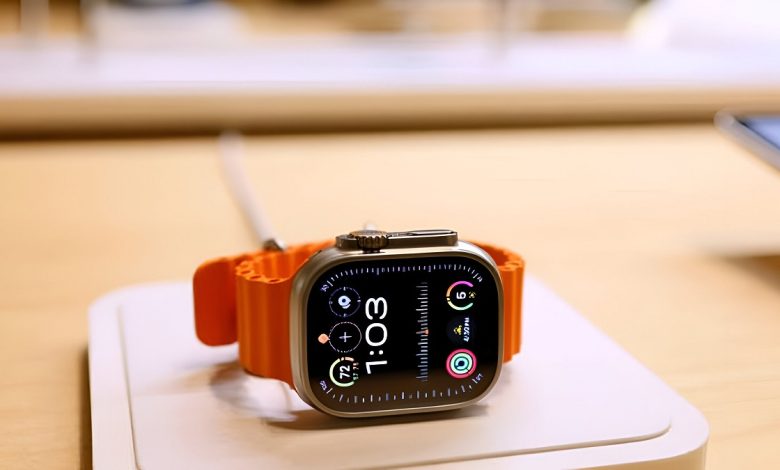
In an era where technology is deeply integrated into daily life, smartwatches and fitness trackers have become essential gadgets for many. However, the government has recently issued a serious warning regarding the potential security risks posed by these devices. While these wearables help users track their health, monitor fitness progress, and stay connected, they can also expose sensitive personal data and become targets for cybercriminals.
With growing concerns about data privacy and cybersecurity, the National Telecom and Information Technology Security Board (NTISB) has raised alarms, urging users to exercise caution when using smart devices. The latest advisory highlights the dangers of unauthorized tracking, data breaches, and cyberattacks that may arise from using smartwatches and fitness trackers.
Smartwatches and Fitness Trackers Pose Security Threats
- Personal Data Vulnerability
Smartwatches and fitness trackers collect a vast amount of personal data, including:
- Location tracking through GPS
- Health metrics such as heart rate, sleep patterns, and physical activity
- Financial details if connected to mobile payment apps
- Stored passwords and messages when synced with smartphones
If these devices are not secured properly, they can become an easy target for hackers, who can gain access to sensitive information and exploit it for malicious purposes.
- Unauthorized Tracking and Surveillance
One of the biggest concerns raised by the government advisory is the risk of unauthorized tracking. Many smart devices constantly transmit data to external servers, sometimes without the user’s knowledge. This data can be intercepted by hackers, cybercriminals, or even foreign intelligence agencies.
- Cyber attackers can track users’ movements, identifying their daily routines and locations.
- Sensitive locations, such as government offices or military bases, could be compromised if employees wear these devices.
- The risk of corporate espionage increases, as these wearables can leak confidential business information.
- Potential for Cyberattacks
Hackers can exploit security vulnerabilities in smartwatches and fitness trackers to launch cyberattacks. These devices often connect to Wi-Fi networks, smartphones, and other devices, making them a weak link in digital security.
- Cybercriminals can use compromised smartwatches to access corporate networks, leading to data theft.
- Malicious actors may install spyware on these devices, allowing them to eavesdrop on conversations.
- A hacked wearable device can be used to distribute malware or launch DDoS (Distributed Denial-of-Service) attacks on large networks.
These risks make it essential to carefully manage and monitor the use of wearable devices, especially in high-security environments.
Government’s Response and Security Measures
- Restrictions in Sensitive Areas
To mitigate the risks, the Cabinet Division has recommended banning the use of smartwatches and fitness trackers in sensitive locations, including:
- Government offices handling classified data
- Military and intelligence facilities
- High-security zones with restricted access
By implementing these restrictions, the government aims to prevent unauthorized data leaks and potential security breaches that could compromise national safety.
- Public Awareness and Advisory
The NTISB advisory encourages users to take the following precautions:
- Disable GPS and Bluetooth when not needed to minimize tracking risks.
- Regularly update device software to patch security vulnerabilities.
- Avoid connecting wearables to public Wi-Fi networks, which are easy targets for hackers.
- Be cautious about granting app permissions, ensuring that only necessary data is accessed.
- Use strong passwords and enable two-factor authentication for added security.
By following these security measures, users can reduce the risks associated with wearable technology and protect their personal data from cyber threats.
The Future of Wearable Security
As wearable technology continues to advance, companies must prioritize security and data protection. Future innovations may include:
- Stronger encryption for data transmission
- Built-in cybersecurity features to detect and block potential threats
- Advanced authentication methods, such as biometric verification, to prevent unauthorized access
Governments and regulatory bodies may also introduce new cybersecurity laws and standards to ensure better protection for wearable device users.
Conclusion
The rise of smartwatches and fitness trackers has undoubtedly revolutionized the way people track their health and stay connected. However, these devices also pose significant security threats, particularly when used in sensitive environments. The government’s latest advisory serves as a crucial reminder to remain cautious and implement necessary security measures to protect personal data.
By taking proactive steps, individuals and organizations can enjoy the benefits of wearable technology while minimizing its risks. As cybersecurity continues to evolve, ensuring data privacy and device security will remain a top priority in the digital age.


