
Road Rage – The Rising Threat: Causes, Consequences, and Prevention
How Aggressive Driving Endangers Lives and Practical Ways to Stay Safe on the Road
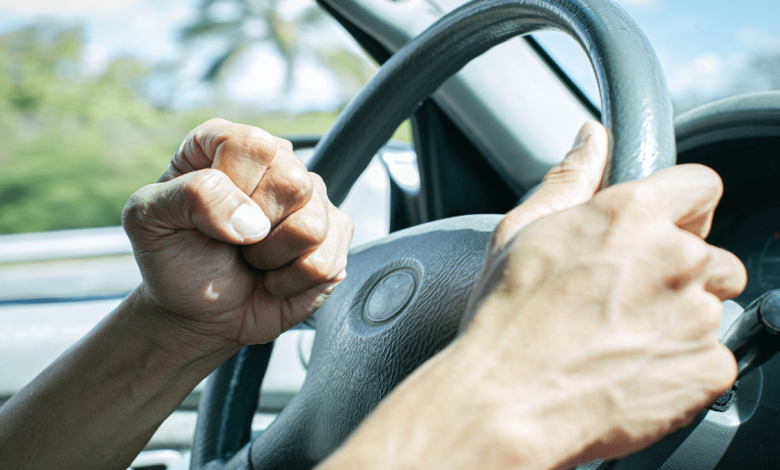
Road rage has become a growing concern worldwide, with aggressive driving incidents increasing at an alarming rate. From minor altercations to violent confrontations, it poses a serious threat to public safety. Drivers who lose their temper behind the wheel not only endanger themselves but also put other motorists, cyclists, and pedestrians at risk.
Understanding the causes of road rage, its consequences, and how to prevent it is crucial in fostering safer roads for everyone. This article explores the root causes of road aggression, its impact, and effective strategies to curb aggressive driving behavior.
Understanding Road Rage
Road rage refers to aggressive or violent behavior by a driver in response to perceived offenses by another driver. It can range from honking aggressively and tailgating to physical confrontations and even assaults.
Common signs of road rage include:
- Excessive honking and yelling
- Tailgating or driving too close to another vehicle
- Cutting off other drivers
- Intentionally blocking lanes
- Gesturing aggressively
- Engaging in high-speed chases or reckless driving
- Getting out of the vehicle to confront another driver
Road rage is not just about anger; it often stems from deep-seated frustrations, stress, and external factors that trigger aggressive responses.
Causes of Road Rage
Understanding the root causes of road aggression can help in addressing and preventing such incidents. Here are some common triggers:
- Stress and Anxiety
Many drivers experience stress due to work, personal issues, or time constraints. When emotions run high, small inconveniences on the road can quickly escalate into aggression.
- Traffic Congestion
Being stuck in heavy traffic can be frustrating, especially for drivers in a hurry. The feeling of being trapped on the road can lead to impatience and aggressive behavior.
- Reckless Driving by Others
When a driver witnesses another motorist cutting lanes, driving too slowly in the fast lane, or disregarding traffic rules, it can trigger anger and retaliation.
- Running Late
Drivers who are late for work, appointments, or events may drive aggressively, increasing the likelihood of road aggression incidents.
- Sense of Anonymity
Inside a car, people often feel detached from social norms. This anonymity can make some individuals more likely to engage in aggressive behaviors they wouldn’t otherwise exhibit in person.
- Influence of Alcohol or Drugs
Substance use can impair judgment and make drivers more prone to aggressive outbursts. Alcohol, in particular, reduces impulse control, leading to irrational and dangerous behavior.
Consequences of Road Rage
Road rage doesn’t just lead to arguments or momentary frustration—it can have serious and long-lasting consequences.
- Increased Risk of Accidents
Aggressive driving, including tailgating and speeding, significantly increases the chances of collisions. A split-second of reckless behavior can result in severe injuries or fatalities.
- Legal Consequences
Many road rage incidents escalate to criminal offenses such as assault, reckless driving, or property damage. A driver involved in a road rage altercation may face fines, license suspension, or even jail time.
- Physical Harm and Violence
Some road rage encounters lead to physical fights or even weapons being used. There have been cases where road rage incidents turned deadly.
- Emotional and Mental Toll
Road rage doesn’t just affect the aggressor—it also causes emotional distress for victims. Some individuals develop anxiety or fear of driving after experiencing a road rage incident.
How to Prevent Road Rage
Preventing road aggression requires a conscious effort from all road users. Here are practical strategies to avoid aggressive driving and ensure a safer driving experience:
- Stay Calm and Practice Patience
When encountering an aggressive driver, avoid engaging with them. Take deep breaths and remind yourself that retaliating won’t solve the problem—it will only escalate the situation.
- Give Yourself Extra Time
Leaving early for your destination reduces stress and minimizes the urge to speed or drive aggressively due to being late.
- Use Defensive Driving Techniques
Defensive driving helps prevent road rage by focusing on safety rather than aggression. Maintain a safe following distance, use turn signals, and avoid making sudden lane changes.
- Don’t Engage With Aggressive Drivers
If another driver is exhibiting road aggression, do not make eye contact, yell back, or respond aggressively. Instead, focus on your own driving and try to distance yourself from them.
- Listen to Relaxing Music
Playing calm music while driving can help reduce stress levels and prevent frustration from building up.
- Avoid Using the Horn Excessively
Honking should be used as a safety tool, not as a way to express anger. Excessive honking can provoke other drivers and lead to confrontations.
- Pull Over if You Feel Angry
If you feel yourself getting overwhelmed with frustration, pull over safely, take a few deep breaths, and regain your composure before continuing your journey.
- Report Aggressive Drivers
If you witness extreme road rage or reckless driving, report it to authorities. Many cities have hotlines to report dangerous drivers.
The Role of Law Enforcement and Awareness Campaigns
Governments and law enforcement agencies play a vital role in reducing road aggression. Stricter traffic laws, increased surveillance, and awareness campaigns help educate drivers about the dangers of aggressive driving.
Some cities have implemented strict penalties for road rage incidents, including heavy fines, license suspension, and mandatory anger management classes for offenders.
Public awareness campaigns also emphasize safe driving habits and encourage a more respectful driving culture. Educating new drivers on how to handle road rage situations can create long-term behavioral changes.
Final Thoughts
Road rage is a growing problem that endangers lives and contributes to road accidents. While external factors like traffic congestion and reckless drivers can be frustrating, controlling our reactions is key to preventing road rage incidents. By staying calm, practicing defensive driving, and being mindful of our emotions, we can contribute to safer roads for everyone.
Remember, the road is a shared space—patience and respect go a long way in ensuring a peaceful driving experience.


