Tomb of Jahangir: A Marvel of Mughal Splendor
Discover the breathtaking beauty and historical significance of the Mughal emperor Jahangir's final resting place.
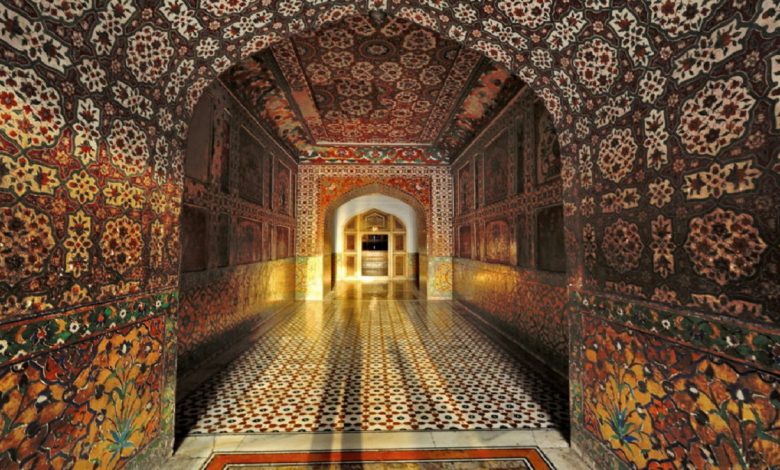
Introduction to the Tomb of Jahangir
Located in Shahdara Bagh, Lahore, the Tomb of Jahangir stands as an emblem of the grandeur and architectural brilliance of the Mughal era. This historical mausoleum, built in memory of Emperor Jahangir, is renowned for its intricate design, lush surroundings, and rich cultural significance. It remains one of the most visited heritage sites in Pakistan, attracting history enthusiasts, tourists, and art lovers from around the globe.
The Historical Legacy of Emperor Jahangir
Emperor Jahangir, who reigned from 1605 to 1627, was a patron of the arts, architecture, and nature. His reign is often remembered for its emphasis on cultural enrichment and administrative reforms. After his death in 1627, his son, Emperor Shah Jahan, constructed this magnificent tomb to honor his father’s legacy. The tomb not only reflects the artistic excellence of the Mughal period but also preserves the memory of a ruler who significantly shaped the subcontinent’s history.
Architectural Grandeur of the Tomb
The Tomb of Jahangir is a masterpiece of Mughal architecture, blending Persian, Indian, and Islamic design elements. The structure is built using red sandstone and marble, adorned with intricate frescoes, mosaic tiles, and pietra dura (stone inlay) work. The central mausoleum is surrounded by lush gardens, water channels, and pathways, following the traditional charbagh (four-part garden) layout that symbolizes paradise in Islamic culture. The artistry displayed in the delicate floral motifs, geometric patterns, and calligraphy is a testament to the craftsmanship of the Mughal artisans.
The Gardens: A Symbol of Serenity
The surrounding gardens of the tomb offer a serene and picturesque environment, making it an oasis of tranquility amidst the bustling city. These meticulously designed gardens are divided into quadrants by water channels, embodying the Mughal concept of a heavenly abode. The sound of flowing water and the shade of ancient trees provide a peaceful atmosphere for visitors to reflect on the site’s historical and cultural significance.
Historical Significance and Preservation Efforts
The Tomb of Jahangir is not just an architectural wonder but also a repository of historical narratives. It represents the zenith of Mughal artistry and offers insights into the cultural and spiritual ethos of the time. Over the years, the tomb has faced challenges due to environmental factors, urbanization, and neglect. However, restoration efforts by the government and cultural heritage organizations have helped preserve this iconic landmark for future generations.
Tourism and Educational Value
For tourists and history enthusiasts, the Tomb of Jahangir is a must-visit destination in Lahore. It provides a glimpse into the grandeur of the Mughal empire and serves as an educational resource for students and researchers. Guided tours often highlight the tomb’s architectural features, historical context, and the life of Emperor Jahangir, enriching visitors’ understanding of South Asia’s cultural heritage.
Cultural and Religious Significance
The tomb holds cultural and spiritual importance for many, symbolizing the Mughal dynasty’s commitment to art, architecture, and the values of harmony and beauty. Its design reflects a blend of Persian and Indian influences, mirroring the cultural syncretism that defined the Mughal period. For those interested in Islamic architecture and history, the site offers a profound connection to the past.
Accessibility and Visitor Experience
The Tomb of Jahangir is easily accessible from Lahore’s city center, making it a convenient destination for locals and international visitors alike. The site is well-maintained, with pathways, signage, and facilities for visitors. Photography enthusiasts often find the tomb and its gardens a perfect setting for capturing stunning images of Mughal artistry and natural beauty.
Preserving a National Treasure
Preserving the Tomb of Jahangir is crucial not only for its architectural and historical value but also for its role in shaping Pakistan’s identity. Heritage conservation initiatives, awareness campaigns, and community involvement are vital to ensuring the tomb remains a source of pride and inspiration for generations to come.
Conclusion
The Tomb of Jahangir is more than just a mausoleum; it is a symbol of an era that valued art, culture, and innovation. Its intricate design, serene gardens, and rich history make it a treasure of Pakistan’s heritage. A visit to this site is a journey through time, offering a glimpse into the glorious past of the Mughal empire and the enduring legacy of Emperor Jahangir.