
Trump Orders Pause On Hormuz Mission To Let Peace Talks Run
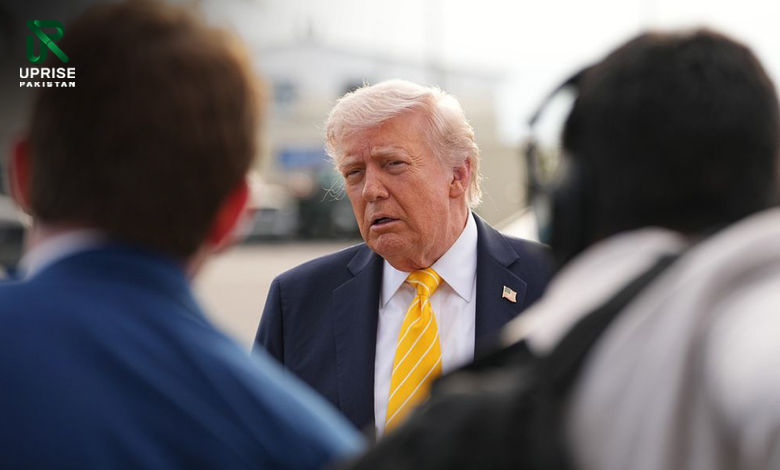
President Donald Trump ordered a pause on the Hormuz mission called Project Freedom so peace talks can move forward. The Guardian reported that Trump wants to give diplomacy time to work while pressure on Iran stays strong in other ways. This matters because the Strait of Hormuz is a key shipping lane for global oil.
When the Strait slows, fuel costs can jump quickly, and families feel it at the pump. Even with a pause, the story does not end. Instead, it shifts into a tense waiting period where every signal from Washington, Tehran, and the UN matters.
What Project Freedom Was Built To Do
The Project Freedom operation aimed at facilitating the transit of commercial vessels through the Strait of Hormuz. According to reports, there were delays and a huge buildup of merchant shipping, creating anxiety for crew members and shipowners. In essence, the plan was straightforward in that the passage of the waterway had to be ensured and any possibility of new attacks minimized.
Nevertheless, the circumstances remained volatile since the Strait is narrow and incidents could escalate quickly. Regional communications frequently mention “freedom of navigation,” implying that vessels should traverse without fear of threats or coercion. The heavy volume of oil passing through the waterway means any disruption would have significant economic implications, causing an increase in oil prices.
Why Trump Paused The Hormuz Mission
Trump framed the pause order as a move to support peace talks, not a retreat. He signaled that talks had made progress, so he wanted to avoid steps that could blow up the moment. Still, the Guardian reported the US naval blockade tied to Iranian ports remains in place. That detail shows the pause has limits, since pressure tools remain active.
- Pause reason: Keep talks alive.
- What didn’t change: Other pressure continued.
- What it signals: A bargaining move, not a full reset.
What’s Happening In The Strait Of Hormuz Right Now
Even with the pause, shipping does not snap back to normal. The Guardian reported that many ships remained stranded or delayed, which keeps stress high for crews and companies. That backlog matters because ships carry oil, gas, and other goods that influence prices worldwide. Meanwhile, the UN track is active. AP reported the US and Gulf allies backed a UN Security Council proposal that threatens sanctions if Iran does not ease its chokehold.
- On the water: Backlogs and delays continued.
- At the UN: Sanctions threats entered the debate.
- Risk factor: Any new incident could shift plans fast.
Peace Talks And The UN Pressure Track
The discussions seem to be indirect in nature, with the help of third-party mediators. According to the Guardian, Pakistan acted as an intermediary in these communications. This fact alone proves that many states are interested in cooling down this crisis.
In contrast, the UN approach seems to represent frustration about constant disruptions to negotiations. The new strategy, according to AP, emphasizes threats of sanctions, which is much simpler than proposing a solution for triggering a fight with vetoes. Nonetheless, the UN approach may be quite slow and vulnerable to interference from major players. What ultimately matters is if Iran and the US find the proposed agreement more secure than escalation.
Why Oil Shipping Trouble Matters To Everyday People
However, the Strait of Hormuz goes beyond being a foreign policy buzzword. It acts as a tangible economic pressure point. As described by the US Energy Information Administration, the Strait plays a crucial role in oil transit, making it a source of market fluctuations.
As fuel prices increase, shipping costs can increase as well, leading to higher costs for goods. For the coming days, look out for three key areas. These include indications of ongoing peace negotiations, developments in ship backlog, and information from the UN Security Council regarding sanction language. If they signal positively, it might prove beneficial. Otherwise, the area will revert to crisis status.


