
What Makes This Year’s Super El Niño The Strongest In 140 Years?
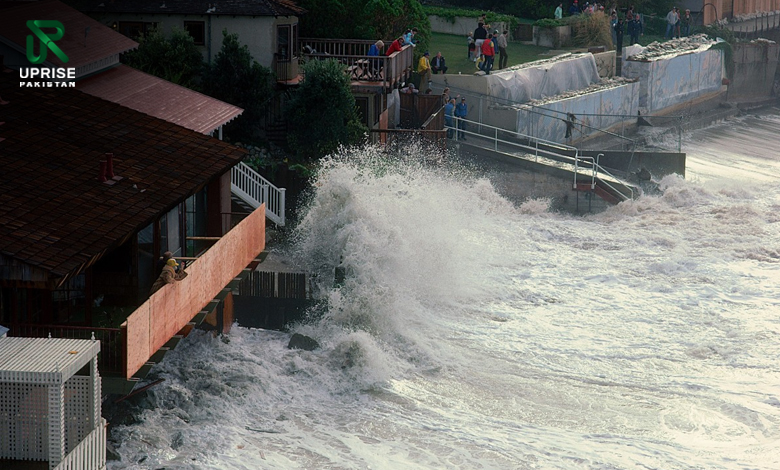
A “Super El Niño” can sound like hype. However, the risk this year looks real. NOAA’s Climate Prediction Center says El Niño is likely to emerge in 2026. At the same time, some reports claim it could be the strongest in about 140 years. That “140 years” line points back to the late 1800s.
So, it signals a possible record-level event. Still, the best science says the range is wide right now. If this event strengthens, weather shifts could hit fast. Also, the impacts can reach families through food and energy prices.
What A Super El Niño Is?
El Niño is a natural climate pattern in the Pacific Ocean. It happens when the central and eastern tropics get warmer than normal. That extra heat can weaken normal trade winds. Then, storms and rainfall patterns can shift worldwide. Scientists watch one key zone called Niño 3.4. NOAA uses a three-month average there to track changes. When that index stays at +0.5°C or higher, El Niño conditions exist.
People say “Super El Niño” when warming gets very large. NOAA’s ENSO blog notes that +2.0°C often marks “very strong.” So, “super” usually means rare strength, not a new type of storm.
Why Do People Say “Strongest In 140 Years”
The “140 years” idea comes from comparing today’s warming to historic giants. News reports point to the extreme El Niño around 1877–78 as a benchmark. If 2026 rises to that level, it would challenge modern records.
Also, “strongest” depends on which index you choose. Some events peak higher in one region than another. For example, NOAA Climate.gov says the 2015 El Niño matched the record class of 1982–83 and 1997–98.
How Scientists Measure El Niño Strength
Scientists do not guess by feel. Instead, they use sea surface temperature data and a few key indices. NOAA’s main tool is the Oceanic Niño Index. It uses a three-month average in the Niño 3.4 region. Researchers also track Niño 1+2, Niño 3, and Niño 4 regions. Those extra zones matter because warming can shift east or west.
| Measure | What It Checks | Common “Strong” Marker |
| ONI / Niño 3.4 | 3-month SST anomaly in Niño 3.4 | ≥ +1.5°C (strong) |
| “Very strong” talk | Unofficial but common label | ≥ +2.0°C |
| CPC outlook | Chance-based forecast | 1 in 4 chance of ≥ +2.0°C |
What Could Make This Year’s El Niño So Powerful?
Several moving parts can stack up and amplify warming. First, warm water can build up below the surface. Then, winds can push that heat east. Also, bursts of westerly winds can speed the process.
NOAA’s CPC warns that a very strong event depends on westerly wind anomalies continuing through the summer. It also says that continuation is “not assured.” That line is important because it keeps expectations realistic.
Climate change can add extra background heat to the ocean. So, today’s “starting point” can be warmer than decades ago. As a result, the atmosphere may react more strongly once El Niño locks in.
What Impacts Could Show Up If It Strengthens
El Niño can shift the weather in many regions at once. Still, the exact impacts vary by season and location. In the U.S., El Niño often links to a more active southern storm track in winter. Meanwhile, some areas can turn drier than normal.
Globally, the stakes look big too. Le Monde reported that El Niño can boost global temperatures by about 0.2–0.3°C. It also warned about higher risks of drought, wildfire, floods, and heat.
Here are common risk themes people should understand:
- Flood risk can rise where storm tracks shift.
- Drought risk can rise where rains fail.
- Food prices can jump after crop losses.
NOAA’s Next Updates And The Signs That Matter Most
This story will keep changing through summer and fall. So, watch the official ENSO updates, not just big headlines. NOAA’s CPC currently favors neutral in spring, then likely El Niño in mid-2026. It also puts the chance of a “very strong” event at about 1 in 4. A short quote from the CPC shows the uncertainty: “Possible outcomes range from ENSO-neutral to a very strong El Niño.”
Also, track three simple signals: Niño 3.4 temperature trends, trade wind strength, and the forecast probabilities in CPC charts. If those lines rise together, risk increases. However, if winds resist, the event may peak lower.


