
Iran’s Parliament Votes To End IAEA Cooperation Amid Rising Tensions
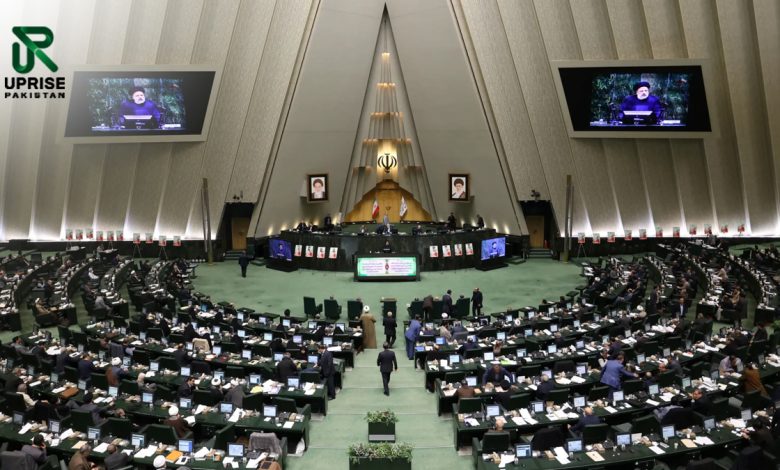
Iran’s new bill lands like a thunderclap. On June 25, 2025, lawmakers in Tehran voted to cut ties with the International Atomic Energy Agency (IAEA). The motion still needs a final nod from the Supreme National Security Council, yet the message is plain. Iran feels cornered after Israeli air raids and recent U.S. strikes on its underground sites. Now, the country plans to lock the doors on inspectors and speed up its “peaceful” nuclear work. This move drives the Middle East closer to a boiling point for many observers. While diplomats scramble, ordinary people worry. Could this be when the region tips from tense standoff to open conflict? Let’s break down what the bill does, why it matters, and what may follow.
Bill Passes Amid Smoke of War
Parliament’s vote came only days after Israel hit several Iranian nuclear targets. Because those strikes pierced fortified bunkers, many lawmakers saw the IAEA as weak. They won 205 votes out of 290, enough to send the bill forward. Once signed, the law:
- Stops all on-site IAEA inspections.
- Halts the installation of new surveillance cameras.
- Blocks routine data sharing with the nuclear watchdog.
Meanwhile, each future visit would need Supreme National Security Council approval. Supporters argue this step protects sensitive sites. Critics warn it blinds the world to Iran’s program at the worst possible hour.
What The Bill Stops At Once
When the IAEA entered Iran under the 2015 nuclear deal, it placed about 150 cameras and conducted up to 27 snap inspections yearly. The new bill freezes that access. Inspectors lose their eyes and ears without cameras, online seals, or surprise visits. Safety checks on spent fuel pools also pause. Therefore, early warnings for any diversion of material disappear. As a result, nuclear analysts must rely on satellite images alone. That method is slower and less precise. Consequently, mistrust grows on all sides.
Qalibaf Speaks to a Wounded Nation
Parliament Speaker Mohammad Baqer Qalibaf framed the vote as a patriotic defense. He declared:
“The Agency sold its credibility when it ignored bombs on our soil. We will move faster and safer—on our terms.”
His words strike a sorrowful chord. Iranians recall past wars, sanctions, and isolation. Yet Qalibaf insists Iran has not pursued weapons. Instead, he claims the West pushes Tehran toward harsher positions. Many in the chamber nodded. Many outside worry the door has now closed on compromise.
Israel Strikes Spark the Break
| Date | Action | Immediate Result |
| June 14 2025 | Israel launches air raids on Natanz and Fordow | Underground halls damaged |
| June 17 2025 | Iran fires missiles at Israeli command sites | Iron Dome intercept rate drops to 70 % |
| June 19 2025 | IAEA passes censure resolution | Tehran calls it “biased.” |
| June 25 2025 | Parliament votes to suspend IAEA cooperation | Inspections set to stop |
The Israeli raids aimed to stall Iran’s enrichment work. However, Iran’s missile reply showed reach and resolve. Each blow fed the other side’s fear, creating a tight spiral.
U.S. Bombs and Global Echo
The United States joined with bunker-buster strikes on June 22. Washington said it wanted to prevent a regional war. Yet, to many Iranians, the attack felt like an open threat. European capitals urged restraint, but they offered no shield. Meanwhile, the U.K. pulled embassy staff from Tehran. Oil prices shot to $105 per barrel, the highest in 18 months. Traders feared any hit on the Strait of Hormuz could choke 21 % of global crude flows.
How the IAEA Sees the Crisis
IAEA chief Rafael Grossi called an emergency meeting for July 1. He warned that “monitoring in Iran is now in free fall.” According to the Agency, Iran’s stockpile of enriched uranium (60 %) already stands at 30 times the 2015 limit. Without fresh data, even those numbers may lag reality. Western diplomats, therefore, speak of a “black box scenario.” Simply put, guessing grows where measuring stops.
Risks to Nuclear Safety and Peace
Safety is the quiet victim here. Spent fuel pools need constant checks to avoid leaks. Research reactors rely on shared best practices. Without IAEA help, small mistakes can balloon. Furthermore, opaque programs invite worst-case thinking. Israel has vowed to stop Iran from getting a bomb “by any means.” Iran now warns it may rethink its stance on the Non-Proliferation Treaty. Thus, the risk of misfire rises.
Possible Paths Ahead for Diplomats
Despite the gloom, off-ramps still exist:
- Back-channel talks in Muscat could reopen.
- A limited inspection swap—missiles for cameras—may slow the slide.
- Regional security pacts with Gulf states could lower fears about shipping lanes.
Yet, every day without oversight makes deals harder. Consequently, Washington, Brussels, and Beijing must act fast. If they fail, the next missile may silence negotiations for good.
Economic Ripple Effects and Energy Markets
Oil traders felt the shock first, and Brent prices leapt beyond one hundred dollars. Because Iran sits astride the Strait of Hormuz, every missile risked a shipping halt. Thus, insurers raised premiums, and some tankers anchored offshore, waiting for clearer skies.
Meanwhile, Asian refineries scrambled for alternate supply lines, especially from Saudi ports. European gas markets also tightened, since Iran’s pipelines feed Turkey and beyond. Consequently, household energy bills increased, and inflation worries spread through fragile economies. If panic persists, analysts warn global growth could slow by point-three percent this quarter. Yet, swift diplomatic progress might reverse the spike before factories cut shifts.
Human Cost and Regional Stability Risks
Behind the headlines, families across Iran and Israel whisper fears of another long war. Sirens now ring nightly in border towns, forcing children into cramped shelters. At the same time, hospitals stock blood units, expecting both missile and panic injuries. Humanitarian groups warn that fuel shortages could shut water pumps in remote desert villages.
Moreover, refugee flows may rise if coastal cities become military targets again. Each displaced family adds pressure on already stretched Turkish and Jordanian aid camps. Regional leaders fear sectarian militias will exploit chaos, widening fault lines from Beirut to Basra. Therefore, prompt conflict de-escalation remains vital for diplomacy and human survival.
Final Thought
Iran’s vote does not launch a war, but it dims the lights inside a vital nuclear program. When nations see less, they trust less. History shows that is how conflicts start, not end. The world now stands at a dangerous fork. One path leads to deeper shadows; the other, to renewed dialogue. The clock is ticking, and so is the region’s sorrow.


