Elon Musk’s Starlink Receives Approval to Launch Internet Services in Pakistan
A Game-Changer for High-Speed Connectivity in Remote Areas
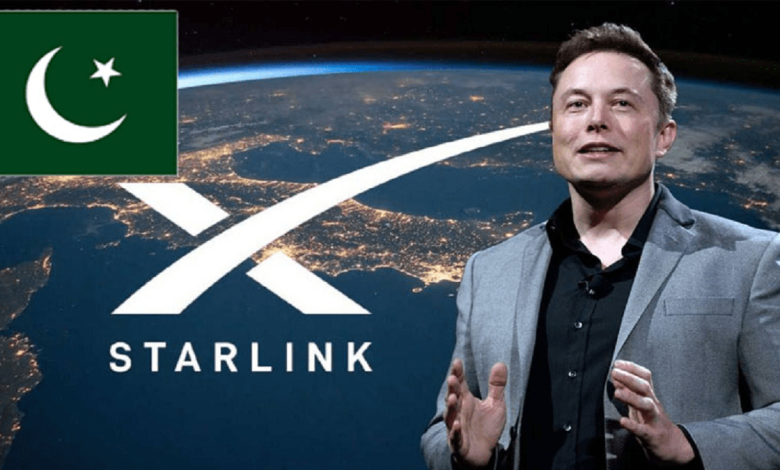
Pakistan is on the verge of a major technological shift as Starlink, Elon Musk’s satellite-based internet service, has received formal approval to launch operations in the country. This milestone was achieved after the Pakistan Space Activities Regulatory Board granted a No Objection Certificate (NOC) following clearance from the Interior Ministry.
With this approval, Elon Musk’s internet company is now one step closer to providing high-speed satellite internet across Pakistan, particularly in remote and underserved areas where traditional broadband services have struggled to reach. The next major milestone is the issuance of an operational license by the Pakistan Telecommunication Authority (PTA), which is expected within the next two weeks.
This groundbreaking development is set to revolutionize digital connectivity in Pakistan, aligning with the country’s National Satellite Policy 2023 and the newly introduced Space Activities Rules 2024. Let’s dive deeper into what this means for Pakistan’s internet landscape, its potential impact, and what users can expect from Starlink’s services.
What Is Starlink and How Does It Work?
Starlink is a satellite internet service developed by SpaceX, Elon Musk’s aerospace company. Unlike traditional internet providers that rely on fiber-optic cables and cell towers, Starlink uses a network of low Earth orbit (LEO) satellites to deliver high-speed internet to even the most isolated locations.
How Does Starlink Differ from Conventional Internet Services?
✔ Global Coverage – Starlink’s network of over 5,000 satellites ensures connectivity in even the most remote areas.
✔ Low Latency – Unlike traditional satellite internet, which suffers from high latency due to satellites positioned 35,000 km above Earth, Starlink’s satellites operate at just 550 km, reducing lag significantly.
✔ Fast Speeds – Users can expect download speeds of 100 Mbps to 250 Mbps, depending on location and network congestion.
✔ No Dependency on Infrastructure – Unlike fiber-optic or DSL connections that require extensive ground infrastructure, Starlink only requires a small satellite dish and router to function.
Why Is Starlink a Big Deal for Pakistan?
Pakistan has long struggled with inconsistent and inadequate internet coverage, particularly in rural and mountainous regions. Millions of people remain digitally disconnected due to a lack of infrastructure, frequent service disruptions, and slow broadband speeds.
Starlink’s entry into the Pakistani market is a game-changer for several reasons:
- Internet Access for Remote Areas
Many regions in Balochistan, Gilgit-Baltistan, and Khyber Pakhtunkhwa face significant connectivity issues due to difficult terrain and lack of infrastructure. Starlink’s satellite-based service will provide these areas with a fast and reliable internet connection, enabling better access to education, healthcare, and e-commerce.
- Boosting Pakistan’s Digital Economy
With high-speed internet becoming more accessible, Pakistan’s IT and freelancing sector will benefit tremendously. Freelancers, startups, and small businesses in rural areas will gain a competitive edge, enabling them to connect with international markets and increase foreign exchange earnings.
- Improved Connectivity for Businesses and Industries
Industries such as telecommunications, agriculture, logistics, and energy will experience better connectivity, allowing for smart farming, real-time tracking, and more efficient operations. Businesses in remote oil fields, mines, and industrial zones will also see significant improvements in their digital infrastructure.
- Enhancing Education and Telemedicine
With Starlink, students in underprivileged areas will have access to online learning resources, bridging the educational divide. Similarly, telemedicine services will improve, allowing patients in remote regions to connect with doctors online for consultations and diagnoses.
The Next Steps: PTA Licensing and Commercial Rollout
While Starlink has cleared several regulatory hurdles, the final step is obtaining a license from the PTA. Reports suggest that this approval will likely come within the next two weeks, paving the way for the commercial launch of services in Pakistan.
When Will Starlink Be Available for Consumers?
Once PTA grants Starlink an operational license, the company will officially begin rolling out services in Pakistan. The exact launch date is yet to be confirmed, but given the fast-tracked approvals, it is expected to be available within a few months.
How Much Will It Cost?
Starlink’s pricing has been a major concern in markets where it has launched. The estimated costs in Pakistan are:
✔ One-time hardware cost (satellite dish + router): PKR 140,000
✔ Monthly subscription: PKR 25,000
These prices may limit adoption among individual users, but businesses, educational institutions, and industries are likely to benefit from its services despite the cost.
Challenges and Concerns
While Starlink brings numerous advantages, there are some challenges and concerns to consider:
- Affordability Issues
The high cost of Starlink’s hardware and subscription may prevent widespread adoption, especially among individual users in rural and low-income areas.
- Regulatory and Security Considerations
Since Starlink operates through satellites bypassing traditional ISPs, concerns about government oversight, data security, and content regulation may arise.
- Competition with Local ISPs
Existing telecom providers in Pakistan may see it as a potential competitor, leading to potential regulatory resistance or lobbying to delay its expansion.
Final Thoughts: A New Era of Connectivity for Pakistan
Starlink’s approval marks a significant step forward in Pakistan’s digital transformation. By providing high-speed, low-latency internet, it has the potential to:
✔ Bridge the digital divide between urban and rural areas.
✔ Empower freelancers and IT professionals with better connectivity.
✔ Boost economic growth through improved business operations.
✔ Enhance education and telehealth services in underserved regions.
While pricing and regulatory challenges remain, its entry into Pakistan could set the foundation for a more connected, innovative, and digitally inclusive future.
🚀 The countdown has begun! Stay tuned for further updates on Starlink’s commercial launch in Pakistan.