
Trump Claims Iran Wants US To Reopen Hormuz As Fuel Fears Grow
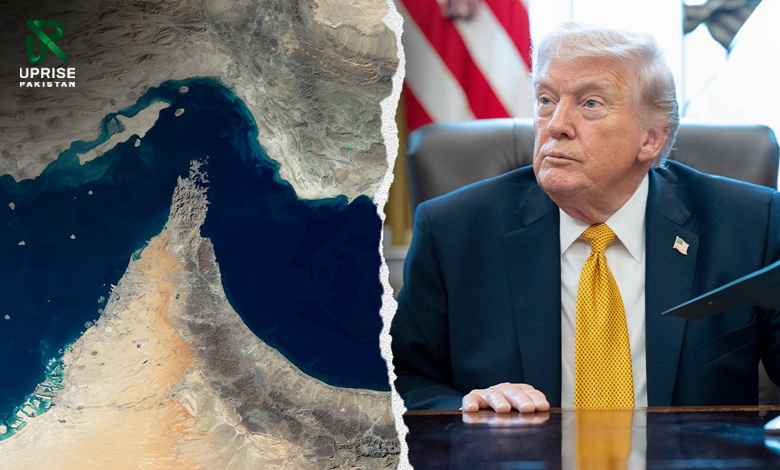
Fuel worries are rising again, and many Americans feel it at the pump. On Tuesday, April 28, 2026, Donald Trump said Iran wants the US to help “reopen the Strait of Hormuz” soon. He shared the claim in a public post. However, Iran did not confirm his statement right away. Also, the White House did not offer an early public response to major reports.
Meanwhile, ship traffic through the Strait of Hormuz stayed far below normal levels. Because this narrow route moves huge amounts of oil and gas, even short delays can lift prices fast. So, families and small businesses watch each update closely.
A High-Stakes Claim Fueling Fast Reactions
Trump said Iran wants the US to help open the strait “as soon as possible.” He also said Iran is under heavy strain. However, public reports did not show proof of a direct Iranian request. So, readers should treat the claim as unconfirmed for now. Still, the timing matters. Tensions in the region can shift markets quickly. Also, traders often react before facts feel “final.” Because of that, one bold statement can raise fear.
“Iran wants the U.S. to open Hormuz as soon as possible.”
The Tiny Strait With A Huge Price Impact
The Strait of Hormuz is a tight sea lane between the Persian Gulf and the open ocean. Because it is so narrow, it acts like a bottleneck. In other words, many fuel ships must pass through one small place. So, when risk rises, shipping slows. Then the oil supply tightens. After that, oil prices can climb. Finally, gasoline prices often follow. Also, energy experts call Hormuz a major oil transit chokepoint. That phrase sounds complex. Yet it means something simple: one small route carries a lot of fuel.
| Fact | Why it matters for fuel fears |
| A large share of global LNG trade moves through Hormuz. | If LNG slows, power and heating costs can rise. |
| Millions of barrels of oil can pass this route each day in normal times. | Any disruption can tighten supply quickly. |
| Supply outages in the region can also reduce output. | Lower supply often pushes oil prices higher. |
The Strait’s Slow Traffic Is Fueling Fast Panic
Reports said only a small number of vessels crossed the strait in a recent 24-hour window. Before the conflict, far more ships crossed daily. That gap shows why fuel fears grow. Also, one large tanker crossing made news. It is suggested that some ships still move. However, it did not prove a full return to normal.
Because shipping needs safety, many firms stay cautious. Also, insurers price risk into every voyage. So, even if leaders talk, companies may still wait.
Why “Reopening Hormuz” Is Not A Quick Fix
Many people imagine a simple order that clears the route. Yet shipping works like a chain. If one link breaks, the whole line slows.
For example, ships need:
- Safe routes and escorts
- Insurance that crews can afford
- Ports that can handle arrivals
- Clear signals from multiple governments
Also, crews want to feel safe. So, firms may reroute ships even after hopeful news.
Meanwhile, markets move on fear. Therefore, rumors can lift prices fast. Then, later facts may cool things down.
“Even a small delay can raise prices fast.”
What US Signals Suggest Right Now
US officials have kept public messages firm in recent coverage. They have focused on security and nuclear limits. So, even if the Strait of Hormuz reopening becomes part of talks, bigger disputes remain. Also, some reports said Iran linked reopening to broader demands. However, leaders may reject those terms. Because of that, progress could come slowly. Still, every new statement matters. Therefore, verified updates carry more weight than online claims.
Look for these signals:
- Daily ship counts through the Strait of Hormuz
- Confirmed statements from Iran and the US.
- Updates from trusted energy trackers
- Changes in oil prices and gasoline prices after verified news
Then, compare headlines to real movement at sea. That helps you spot noise.
The Moment That Could Move Gas Prices
Trump’s claim added heat to an already tense story. However, public reports still lacked quick confirmation from Iran. Meanwhile, the shipping slowdown kept global energy supply under strain. Because the Strait of Hormuz is a key oil shipping lane, even small disruptions can push oil prices up. Then gasoline prices can rise, and energy inflation can follow. So, the next few days matter. If steady crossings return and leaders back words with action, fear may cool. Until then, many Americans may keep bracing for higher costs.


